
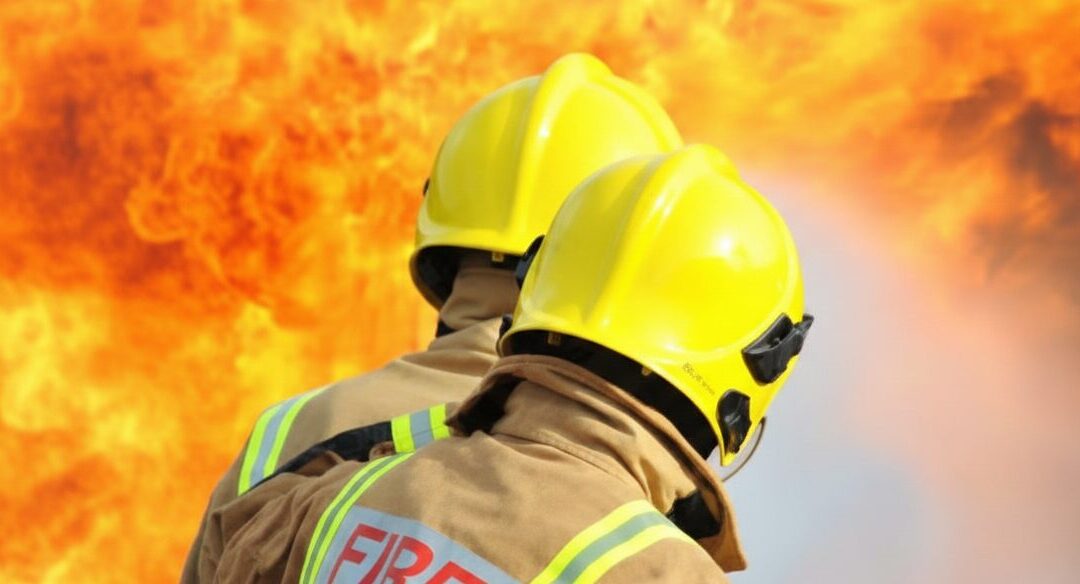
Imagine, for a moment, the silence of a midnight watch in the middle of the Atlantic. The only sound is the rhythmic slice of a multi-million dollar hull through the water.
Suddenly, the bridge console erupts in a crimson flash; the fire detection system has tripped in the technical space housing the lithium-ion battery banks for the vessel’s custom tenders.
In this high-stakes environment, the distance between a controlled incident and a catastrophic loss isn’t measured in miles, but in the seconds it takes for a highly trained team to execute a command-and-control response.
At Certified Training, we understand that luxury yachts are not merely ships; they are floating masterpieces of engineering and design. However, from a safety perspective, they are also complex puzzles of high-voltage electrical systems, volatile fuels, and bespoke interior materials.
Fires burn by consuming fuel, heat, and oxygen; removing any one of these elements can extinguish the fire. Some rare but hazardous fires can involve combustible metals, which require specialized suppression techniques and training.
To lead a crew through a crisis, you need to look beyond the basic fire extinguisher and master the art of maritime emergency command through a dedicated yachting course.
What Are Advanced Firefighting Techniques for Luxury Yachts?
When we discuss advanced firefighting in the context of the superyacht industry, we are moving far beyond the “point and spray” mechanics taught in basic safety training. Advanced firefighting is primarily a discipline of leadership, strategy, and technical management.
It is the ability to orchestrate a multi-departmental response while simultaneously managing vessel stability and guest safety during an onboard fire.
Being prepared to fight fires quickly and effectively is crucial, requiring not only advanced luxury yacht fire suppression systems but also the right firefighting gear and trained personnel to control and contain incidents before they escalate.
On a yacht, these techniques involve the sophisticated use of luxury yacht fire suppression systems, such as Hi-Fog water mist or CO2 flooding, and the strategic deployment of thermal imaging to locate hotspots behind expensive wood veneers. We focus on the “Advanced” because the fire risks are inherently higher. We aren’t just saving a hull; we are protecting a high-value asset and the lives of those who expect the pinnacle of security.
Fire Risk Assessment: Identifying and Prioritizing Yacht-Specific Threats
Effective fire protection on luxury yachts begins with a thorough fire risk assessment tailored to the unique environment of these vessels.
Unlike commercial ships, superyachts present a complex web of potential fire hazards, ranging from high-powered electrical systems to the ever-present risk of engine room incidents and the storage of flammable liquids.
Identifying these fire risks is not a one-time task, but an ongoing process that requires vigilance from both owners and crew.
A comprehensive assessment starts with a close examination of the yacht’s critical systems. The engine room, often the heart of fire risk, should be scrutinized for potential sources of ignition, such as electrical faults or fuel leaks.
Evaluating the effectiveness of the engine shutdown system and ensuring that fire suppression systems are fully operational are essential steps in minimizing the chance of a boat fire.
Equally important is the regular testing and maintenance of the fire detection system, which serves as the vessel’s early warning against developing threats.
Prioritizing these risks allows the crew to implement targeted safety measures, focusing resources where they are needed most. By staying proactive and continually updating the fire risk assessment, yacht owners and crew can significantly reduce the likelihood of an onboard fire, safeguarding both passengers and the vessel itself.
Fire Prevention Strategies for the Modern Superyacht
Fire prevention is the cornerstone of any robust fire protection plan on a superyacht. The best way to deal with a fire is to stop it from starting in the first place. This means adopting a culture of safety and vigilance, where every crew member understands their role in minimizing fire risks.
Regular maintenance of both engine and electrical systems is non-negotiable. Proactively addressing potential issues, such as worn wiring or leaking fuel lines, can prevent many common causes of onboard fire.
Proper storage and handling of flammable liquids, from cleaning agents to fuel, further reduces the risk of accidental ignition. Crew training is equally vital; every member should be well-versed in firefighting techniques and emergency response protocols, ensuring a swift and coordinated reaction if needed.
Equipping the yacht with advanced fire suppression systems, including pre-engineered systems designed for easy installation and seamless integration, adds another layer of protection. Essential fire safety equipment, such as fire extinguishers, fire blankets, and immersion suits, should be readily accessible and regularly inspected.
By prioritizing fire prevention and ensuring the vessel is equipped with the right tools and knowledge, yacht owners can protect their investment and, most importantly, the lives of everyone on board.
Why Is Advanced Firefighting More Critical on Luxury Yachts Than Commercial Ships?
We often hear the question: “Isn’t a fire just a fire?” In the commercial world, a cargo ship offers vast, open spaces and relatively predictable fire loads. Commercial vessels, such as fishing boats and tugs, have different fire suppression requirements compared to luxury yachts due to their operational environments.
On a luxury yacht, the environment is fundamentally different, presenting a unique set of challenges that demand specialized yacht training.
Guest Safety and Liability
Unlike a merchant vessel with a crew of thirty able-bodied sailors, a yacht carries guests who may have zero maritime safety knowledge. We are responsible for evacuating non-professionals through narrow, opulent corridors while maintaining a calm, “service-first” demeanor. The liability involved in guest safety during a boat fire is astronomical.
Complex Interior Layouts
Superyachts are designed for aesthetics and comfort, often resulting in intricate “hidden” spaces and service tunnels that can act as chimneys. We must understand how fire moves through these non-standard architectural designs to prevent flashovers in guest suites.
Effective fire protection requires a deep understanding of how luxury finishes react to heat and smoke.
High Electrical Demand
With stabilizers, advanced AV systems, and underwater lighting, the electrical load on a yacht is immense. We see a much higher frequency of electrical fire incidents compared to traditional shipping.
Furthermore, the modern “toy store” filled with lithium-powered e-foils and tenders introduces a chemical risk that requires advanced fire suppression tactics.
What Regulations Require Advanced Firefighting Training for Yacht Crew?
We don’t just train because it’s a good idea; we do it because the law demands a specific standard of competence. The STCW Convention is the global benchmark for maritime safety, and specifically, Regulation VI/3 (STCW code section VI/3) dictates the requirements for advanced firefighting.
For those looking to certify, choosing an STCW course in Cape Town ensures you meet international standards under the guidance of local experts.
STCW A-VI/3 Compliance
This regulation ensures that those in charge of firefighting operations have been tested in command, organization, and control. According to the Coast Guard and other major flag states, any crew member moving into an officer role must hold an STCW Advanced Fire Fighting (AFF) certificate. This is a cornerstone of modern fire prevention at sea.
Insurance and Charter Compliance
Beyond the legalities, insurance providers and charter brokers often require proof of advanced training.
At Certified Training, we find that yachts with higher-tier fire suppression systems and certified crew enjoy lower premiums and better reputations in the market. It is a mark of professional excellence that reassures owners their assets are in capable hands.
Who Needs Advanced Firefighting Training in the Superyacht Industry?
If you are looking to climb the ladder in this industry, this certification is non-negotiable. Advanced firefighting training prepares crew for the critical job of fire prevention, suppression, and emergency response on board. It isn’t just for the “fire party”; it’s for the decision-makers.
- Chief Officers and Captains: You cannot hold these COCs without the AFF certificate. You are the ultimate authority during an emergency until the fire department can reach you in port.
- Engineers: As the masters of the engine room, where most fires start, engineers must understand how to manage pre-engineered systems and fuel isolation.
- Senior Deck Crew: Those transitioning into leadership roles need this to prove they can lead a fire party into a smoke-filled compartment.
- Emergency Team Leaders: Anyone designated to coordinate the “back-up” or “support” teams during a crisis.
What Will You Learn in Advanced Firefighting Yacht-Focused Training?
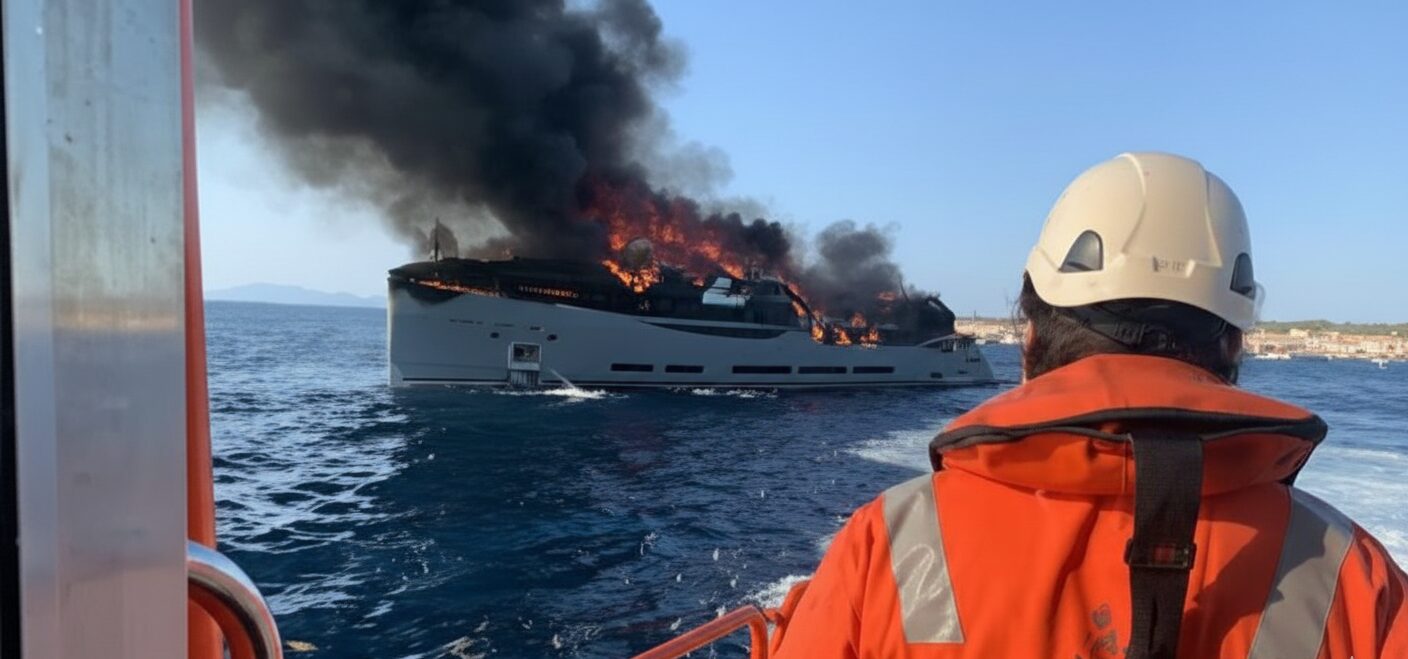
A high-quality course at Certified Training doesn’t just put you in a flashover unit; it puts you in the hot seat of leadership. We break down the curriculum into several critical pillars of maritime safety.
Part of the training involves learning how to determine the appropriate fire suppression system requirements for different areas of the yacht, ensuring compliance with safety standards.
1. Command and Control of Operations
We focus heavily on emergency leadership. How do you communicate via radio when the adrenaline is pumping? How do you make a “go/ no-go” decision on entering a space? This training hones your ability to manage a scenario from the bridge without losing your cool.
2. Managing Fire Impact on Vessel Stability
This is a critical, often overlooked area. If we pump tons of water into an upper-deck galley fire, where does that water go? We teach you to calculate the “free surface effect” and manage drainage to ensure the yacht doesn’t capsize while you’re busy putting out the flames.
3. Leading and Training Fire Parties
A leader is only as good as their team. We learn how to design effective fire drills that actually challenge the crew. We focus on organization: who grabs the fire blankets, who manages the manifold, and who stays with the guests to ensure calm during an evacuation.
4. Inspection and Maintenance of Systems
We deep-dive into the technical side of engine room safety. This includes testing the engine shutdown system, maintaining fire suppression systems, and ensuring PPE and SCBA sets are serviced and ready for immediate use.
It is crucial to correctly install fire suppression system components, such as brackets and modules, in accordance with manufacturer guidelines and safety standards to ensure proper functionality and compliance.
How Is Yacht Firefighting Different From Cargo Ship Firefighting?
In the commercial sector, the priority is often “seal the room and wait.” On a yacht, the priority is “contain and protect.” We deal with luxury materials that produce highly toxic smoke.
This requires a more surgical approach than a standard fire department might use on land. Protecting machinery spaces with appropriate fire suppression equipment is critical, as these areas are especially vulnerable to fire and require specialized systems to ensure safety.
Furthermore, we must account for the marina fire spread risks. On a yacht, you are often docked mere feet away from another multi-million dollar vessel. Advanced firefighting involves knowing how to protect your neighbors and when to “slip the lines” to prevent a marina-wide conflagration.
The Lithium-Ion Challenge: A Modern Yacht Risk
One of the most significant shifts we’ve seen in recent years is the proliferation of lithium-ion batteries. From the Chief Stewardess’s electric bike to the deck team’s Seabobs, these batteries present a “thermal runaway” risk.
In an advanced course, we discuss how these fires cannot be extinguished with a traditional fire extinguisher in the same way. We explore specialized containment and the use of continuous cooling to prevent the fire from jumping to the hull’s composite structure.
Emergency Response Planning: Coordinating Action When Seconds Count
When a fire breaks out on board, a well-rehearsed emergency response plan can make the difference between a controlled incident and a full-scale disaster. Every second matters, and the ability of the crew to act decisively is paramount to the safety of the vessel and everyone aboard.
A comprehensive emergency response plan should clearly outline the steps to take in the event of an onboard fire. This includes immediate actions such as deploying fire blankets, using fire extinguishers, and activating the fire suppression system.
Crew members must be familiar with procedures for abandoning ship if the situation escalates, ensuring that immersion suits and other emergency equipment are accessible and in good condition.
Communication is also critical; knowing how and when to contact the coast guard and coordinate with external emergency services can expedite rescue and minimize damage.
Regular training sessions and realistic drills are essential to keep the crew’s skills sharp and their response instinctive. By investing in thorough yacht emergency training and response planning, yacht owners can ensure their crew is prepared to protect the vessel, its passengers, and themselves when it matters most.
Career Progression: Why This Course Matters for Your Future
We see the STCW Advanced Fire Fighting course as a “gatekeeper” certification. If you are aiming for a Chief Mate (Yachts <3000 GT) or a Master 500/3000 qualification, this is a mandatory milestone in your career.
- Higher Salary Potential: Officers with advanced safety specializations are more attractive to management companies.
- Safety Leadership Credibility: It changes the way you are perceived by the Captain. You aren’t just a deckhand anymore; you are a safety professional.
- Global Mobility: This certificate is recognized worldwide, allowing you to transition between different flag-state vessels with ease.
Why Train With Us?
Choosing a training provider is about more than just proximity; it’s about finding a team that speaks your language. At Certified Training, we bridge the gap between rigorous regulatory requirements and the reality of life on board a luxury vessel.
Our instructors bring years of maritime experience, ensuring that when you step into our facility for your STCW course in Cape Town, you aren’t just reading from a manual.
You are engaging in high-fidelity simulations that mirror the pressure of a real offshore emergency. We pride ourselves on creating an environment where crew can gain world-class certifications that hold weight globally.
Frequently Asked Questions (FAQ)
Do I need to complete Basic Firefighting before taking the Advanced course?
Yes, we require all students to have completed the STCW Basic Fire Prevention and Firefighting course. It is the essential foundation upon which advanced command skills are built.
How long does the Advanced Firefighting certification remain valid?
Under STCW regulations, the certificate is valid for five years. After this period, we recommend attending a shorter refresher course to keep your skills sharp and maintain compliance.
Is this course specifically for engineers or deck crew?
It is essential for both. While deck officers lead the fire parties, engineers are responsible for the engine shutdown system and the technical operation of fire suppression systems. All mariners responsible for safety on board should consider advanced firefighting training.
What types of fires are covered in the course?
The course covers fires involving diesel, gasoline, oil, and ordinary combustibles. You will learn about the risks associated with these flammable liquids and materials, and the appropriate extinguishing methods for each type, including the use of specialized fire suppression systems for luxury yachts.
Can I take this course if I am not an officer yet?
Absolutely. We often see proactive senior deckhands and bosuns taking the course to prepare for their first officer role, making them much more employable during the hiring season.
Conclusion: Lead with Confidence
The transition from a junior crew member to a maritime leader is marked by the responsibility one is willing to take for the safety of others. Advanced firefighting isn’t just a requirement to be ticked off a list; it is a fundamental shift in mindset.
It equips us with the tools to stay calm when the alarms sound, to lead our teams with precision, and to protect the incredible vessels we call home.
After a luxury yacht fire suppression system has been activated, it is crucial to ensure the air is clear and safe to breathe before inspecting or reopening any affected spaces.
Whether you are eyeing that Chief Mate promotion or simply want to be the most prepared person on the deck, mastering these advanced techniques is your next logical step.
Would you like us to help you check the next available dates for our STCW Advanced Fire Fighting course so you can secure your spot before the next season?