
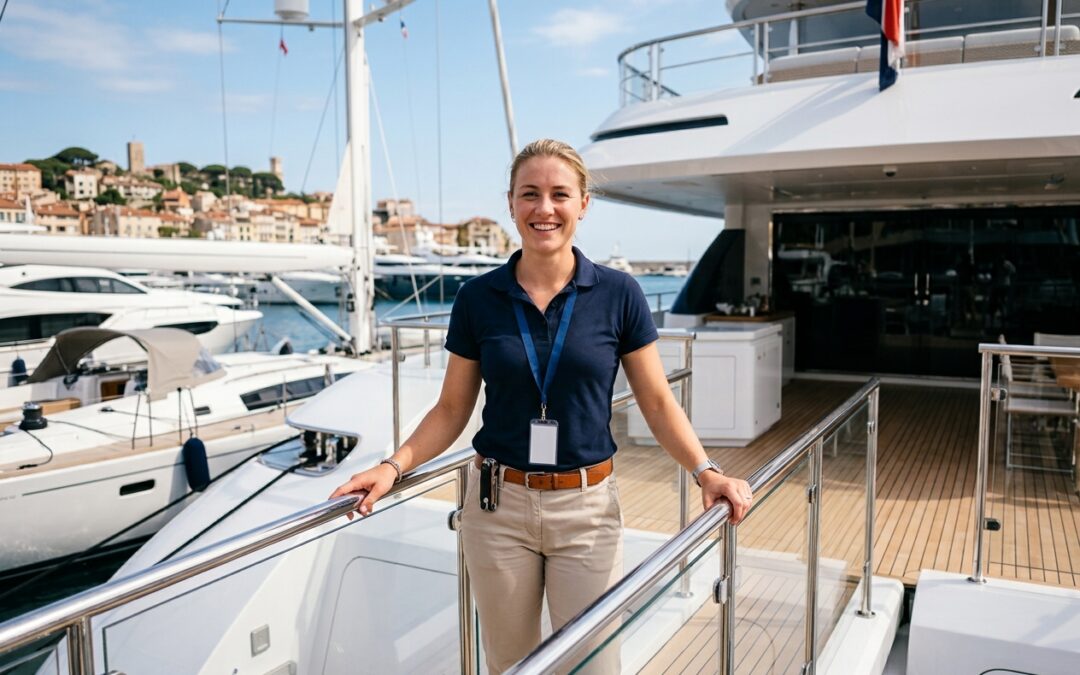
If you’ve worked on cruise ships, you already know life at sea. You know the drills, the long days, and what it means to share a small space with colleagues from all over the world. That’s a real head start for anyone thinking about superyachts.
Still, the move involves more than a change of vessel size. Service, crew structure, and day-to-day expectations work differently onboard a private yacht.
Certified Training prepares people from all kinds of backgrounds for superyacht careers, and former cruise crew arrive with more of the groundwork done than most.
This guide covers how the work differs, what carries over, which training you’ll need, and how to adjust once you’re onboard.
Why Do Cruise Ship Crew Move to Superyachts?
For many cruise crew, the appeal is the change of scale. Service is far more personal, and roles tend to be more varied.
Others simply want a new challenge after years in a large shipboard operation. Moving to a private yacht means learning a different style of service and a different rhythm of work.
It’s worth going in with clear eyes. Superyacht work is demanding in its own ways, and it isn’t automatically easier than cruise life.
How Is Working on a Superyacht Different from Working on a Cruise Ship?
The biggest difference is who you’re serving. A cruise ship looks after a large number of passengers. A superyacht serves an owner, their family and friends, or a small group of charter guests. Service is personal, private and tailored to individual preferences.
That makes professionalism essential. Crew are expected to stay highly professional with owners and guests at all times, even when the atmosphere feels relaxed.
Yachts are organized into four departments: deck, interior, engineering, and galley. Crew members report to their head of department, and heads of department report to the captain, who oversees the yacht as a whole.
The team is small, and you’ll live and work closely with the same people every day, so teamwork and professionalism carry real weight.
Which Cruise Ship Skills Transfer to Superyachts?
More than you might expect. Here’s how common cruise experience lines up with yacht roles:
- Hospitality and service: High-end hospitality, fine-dining table service, and professional bartending translate well into interior roles such as stewardess or steward.
- Housekeeping: Keeping cabins and public areas to a luxury standard is directly relevant to interior work.
- Maintenance and technical work: Painting, varnishing, repairs, and mechanical or diesel engine experience suit deck and engineering roles.
- Life at sea: You’re already used to safety drills, shipboard routines, and long stretches away from home.
- Working across cultures: Years of working alongside colleagues from many countries build cultural awareness, which is valuable in a small yacht crew.
- Galley work: Cruise kitchen experience is relevant to the galley, which prepares food for both guests and crew.
The trick is presenting this experience in yachting terms. Captains want to see how your background prepares you for their yacht, not a list of cruise job titles. Your CV is where that translation happens.
What Certificates Do You Need to Work on a Superyacht?
Start with STCW Basic Training. It’s the minimum legal requirement for anyone working commercially at sea, whether on a cruise ship or a yacht. It covers four areas: Elementary First Aid, Marine Fire Fighting, Personal Safety and Social Responsibility, and Personal Survival Techniques.
Your cruise work means you’ll most likely already hold an STCW certificate. Each certificate is valid for five years, so check your expiry dates and refresh anything close to lapsing before you apply.
You’ll also need a valid seafarer medical certificate and Proficiency in Designated Security Duties (PDSD), which now sits alongside STCW as a mandatory safety qualification.
Beyond the basics, yachts often look for role-specific skills that cruise crew may not have yet:
- Deck crew: courses such as the MCA Yacht Rating, RYA Powerboat Level 2, RYA Personal Watercraft and RYA VHF Radio
- Interior crew: stewardess training covering silver service, wine and cocktail service and barista skills, plus the MCA Food Hygiene course
- Engineering crew: the MCA Approved Engine Course (AEC) and RYA Powerboat Level 2
- Galley crew: RYA Powerboat Level 2 and the MCA Food Hygiene course
Requirements can differ by role and vessel, so compare what you hold against what the role needs.
How Do You Adapt Your CV and Job Search for Superyachts?
Your cruise CV probably won’t work as it is. Rewrite your experience in yachting terms and tailor it to the role.
Restaurant service on a cruise ship becomes high-pressure interior service experience. Maintenance work becomes deck or engineering experience. Deck and interior roles call for different skills, so avoid sending the same CV for both.
A yacht CV also has a few standard features. Include a professional photo where you look clean-cut and smiling, and list your visa status clearly so captains can see you’re ready to work overseas.
Once you arrive, register with crew agencies in the yachting locations you’re targeting, keep your availability up to date, and get out on the docks.
Dockwalking and daywork remain one of the most common ways for new yacht crew to prove their value. A good day of work shows the crew what you can do, and it can lead to a recommendation.
What Adjustments Should Former Cruise Crew Expect Onboard a Superyacht?
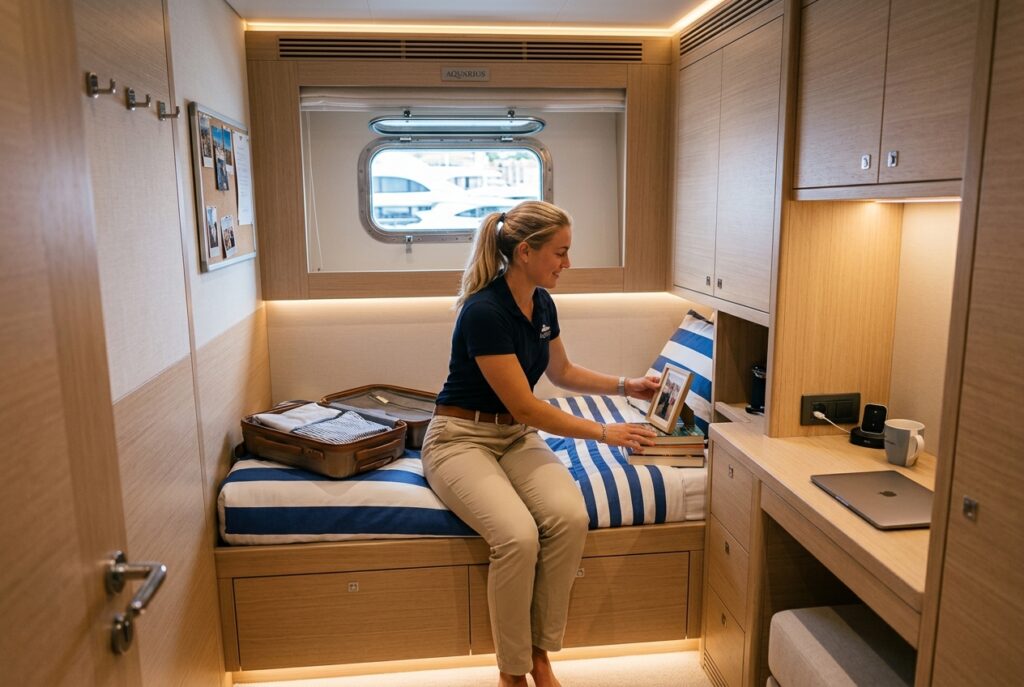
Even with years at sea behind you, a superyacht will feel different at first.
You’ll be much closer to the people you’re serving. You’ll work much more closely with owners and guests than you did on a cruise ship.
Flexibility matters more, too. Plans onboard can change around what guests want to do, and the crew needs to adapt quickly and without fuss.
Seniority may not carry over directly. Cruise experience is valuable, but some crew start in an entry-level yacht position while they learn how superyachts work. Being open to that makes the transition far smoother.
Living space is compact as well. Sharing a small cabin and spending your downtime with the same handful of people takes some getting used to, even for experienced seafarers.
How Can Yacht Training Help You Make the Move from Cruise Ships?
Yacht-specific training fills the gaps between cruise ship work and what a superyacht role demands. It gives you the certificates captains look for, along with a practical understanding of yacht service standards, tender driving, and deck work.
Cape Town is a popular place to train because it’s far more affordable than many other training destinations. If you’re comparing options for an STCW course or role-specific yacht qualifications, look at both cost and course content before you decide.
Once you’re qualified, you’ll be ready to pursue opportunities in the international yachting locations where superyacht work is found, with your certificates and CV in order.
Frequently Asked Questions
Can cruise ship crew work on superyachts?
Yes. Cruise experience gives you a strong foundation, especially in hospitality, maintenance, and life at sea. Most crew need to add some yacht-specific training and adapt their CV for yacht roles.
Is my cruise ship STCW certificate valid for yacht work?
STCW Basic Training applies to crew on cruise ships and yachts alike, so a valid certificate carries over. Check that yours hasn’t expired before you apply.
What is the difference between cruise ship and superyacht crew jobs?
Superyacht crew serves a small number of owners or guests, so service is more personal. Crews are also smaller, and you’ll live and work closely with the same people.
Do I need extra training to move from cruise ships to yachts?
Often, yes. Yachts may expect role-specific skills such as powerboat handling, personal watercraft, and VHF radio for deck crew, or specialist stewardess training for interior crew.
How do I write a yacht CV with cruise ship experience?
Describe your experience in yachting terms, tailor it to deck or interior roles, add a professional photo, and list your visa status clearly.
Will my cruise ship seniority carry over to a superyacht?
Not always. Your experience counts, but you may start in a more junior yacht role while you learn how superyachts operate.
What is crew life like on a superyacht compared with a cruise ship?
The crew is smaller and closer; you’ll often share a compact cabin, and you’ll work more closely with owners and guests.
Where should I look for yacht work after leaving cruise ships?
Look in established international yachting locations. Register with crew agencies there, build your network, and look for daywork.
Conclusion
Cruise ship experience puts you in a strong position for superyacht work. You already understand life at sea, safety routines, and service under pressure.
The move comes down to adapting that experience: learning a more personal, discreet style of service, filling any certificate gaps, rewriting your CV in yachting terms and being open to starting wherever the right opportunity is.
With the right yacht training behind you, that transition becomes far more manageable. Your time on cruise ships has already done much of the groundwork.
If you’d like help working out which of your certificates carry over and which ones your target yacht role still needs, speak to Certified Training about the training pathway that fits your background.