
The Unseen Backbone of Safe Yachting
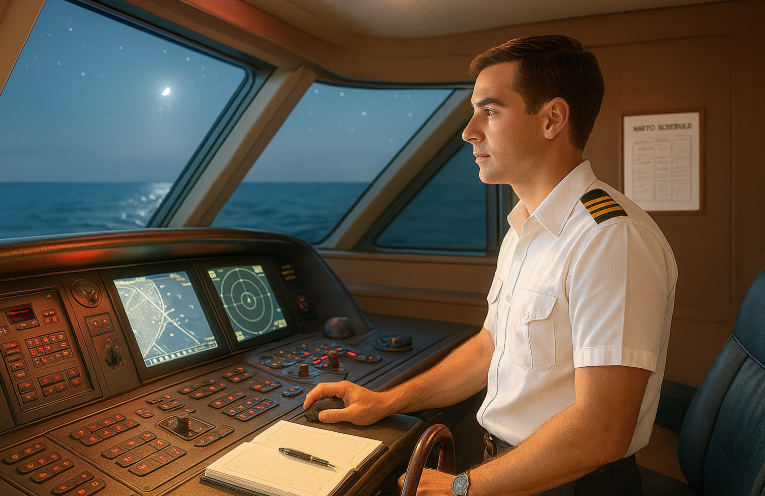
Most people picture the glamour of yachting, the sunlit decks, crystal waters, and polished service. But behind every smooth crossing is a crew quietly steering, scanning, and safeguarding the vessel, especially during the quiet hum of a midnight watch.
That’s where STCW Watchkeeping Standards come into play. These provisions, adopted by the International Convention on Standards of Training, Certification, and Watchkeeping (STCW), transform routine vigilance into a professional system that keeps us safe and compliant in accordance with international maritime standards.
Whether you’re just stepping onto the bridge or coordinating a multi-watch team, knowing these protocols isn’t optional, it’s essential.
Let’s walk through the key elements that help crew members operate safely, confidently, and professionally at sea.
What Are STCW Watchkeeping Standards?
Think of STCW, short for Standards of Training, Certification, and Watchkeeping, as the international rulebook for what competent, professional watchkeeping looks like.
Established by the IMO (International Maritime Organization), this convention sets the minimum requirements for training and competency in the marine industry. These include everything from basic training to advanced firefighting, personal survival techniques, and engineering watch responsibilities.
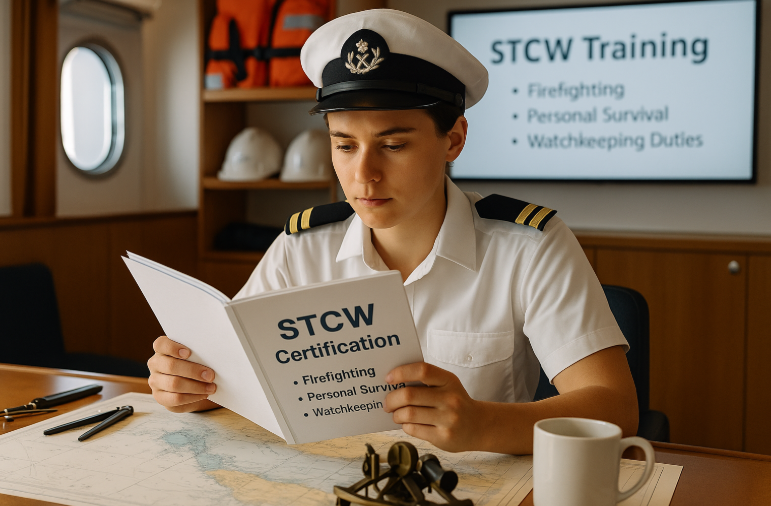
Obtaining an STCW certificate is crucial for various maritime functions, as it ensures that individuals are qualified to perform specific on-board duties through approved training schools.
Yachts typically have leaner bridge teams than commercial vessels, so these standards serve as the backbone of safe watch operations, especially when multitasking is part of the job.
Explore the STCW Certification Requirements
Why Watchkeeping Matters More Than You Think
Safety on board starts before the alarms, before the lifeboats, long before the emergency drills. It starts with watchkeeping.
Proper watchkeeping helps prevent accidents by ensuring continuous vigilance and adherence to safety protocols.
When we’re on watch, we’re actively protecting the ship, its people, and its reputation. That means:
- Holding the yacht’s safe course and keeping an eye on the position
- Watching for other vessels or shifting hazards
- Running systems and keeping detailed logs
Miss a single beat, and small oversights can snowball, especially at night or in high-traffic waters.
Key Competencies Under IMO Section A-II/1
At the heart of these standards lies IMO Section A-II/1, which outlines what an officer in charge of a navigational watch must know.
It covers everything from theory to real-time judgment, including:
- Planning and plotting routes on charts
- Avoiding collisions under COLREGs
- Operating radar, ARPA, and interpreting data
- Adjusting the voyage plan based on weather and prevailing circumstances
This isn’t about memorisation. It’s about having the knowledge and training to keep the vessel safe in constantly changing conditions and to determine the qualifications and competencies required for different levels of STCW endorsements.
The Core of the Role: Navigational Watchkeeping Duties
Being on watch means being present, aware, and sharp from start to finish. No autopilot, literally or mentally.
Maintaining a good lookout is a critical aspect of effective watchkeeping. It involves both traditional visual and auditory observation methods, as well as the use of modern technology like radar and AIS.
Navigational watchkeeping duties include:
- Keeping the ship on track and verifying its position
- Watching surrounding vessels and reacting to hazards
- Managing alarms and monitoring equipment
- Logging each task and change in status
This level of engagement is what makes a proper watch. A quick lapse can turn hazardous conditions into real danger.
Bridge Resource Management (BRM): It’s a Team Sport
No one person can, or should, handle it all. That’s where Bridge Resource Management (BRM) comes in.
BRM focuses on teamwork and situational awareness. That means:
- Speaking up and listening actively
- Knowing each person’s strengths and assigning functions wisely
- Using all tools, technology and human input to make sound decisions
Consultation among team members, particularly between the chief engineer officer and the master, is essential for ensuring proper engineering watchkeeping arrangements and compliance with safety protocols and international regulations.
Good BRM leads to better prevention of errors and safer navigation under all circumstances.
Smooth Transitions: Watch Handover & Communication Protocols
A watch handover is like passing a baton. If you fumble it, the next team starts off at a disadvantage.
Following established procedures during watch handovers is crucial to ensure smooth transitions and prevent any miscommunication.
Effective handovers should:
- Review the ship’s position, heading, and systems status
- Highlight nearby vessels, hazards, or weather updates
- Reiterate standing orders from the master
Clear communication keeps things smooth and maintains compliance with STCW Code expectations.
Fatigue Management: Safety Starts with Sleep
Fatigue is a silent threat in the marine industry. That’s why fatigue management is built into STCW regulations.
Each person must get at least 10 hours of rest in any 24-hour period, and these rest periods must be properly maintained. Best practice also includes:
- Rotating watch schedules fairly
- Creating proper rest environments
- Watching for signs of exhaustion or alcohol abuse
Fatigue compromises situational awareness, which is why the STCW Code, especially Chapter VIII, stresses this issue.
Electronic Navigation Systems: Friends, Not Crutches
Today’s bridge is packed with tools but these must assist, not replace, the human eye.
Essential tools in an electronic navigation watchkeeping setup include:
- Radar, ARPA, and GPS
- ECDIS and AIS
- Automated alarms and monitoring systems
It’s crucial for the bridge team to remain alert and prepared for changes that may happen, especially in high-stress conditions or severe weather.
It’s the combination of training, competency, and situational awareness that makes this equipment effective.
Emergency Watchkeeping: When Seconds Matter
In emergencies, timing and clarity are everything. From a fire in the engine room to a man overboard, knowing what to do under pressure saves lives.
A good watch team will:
- Sound alarms and initiate response protocols immediately
- Coordinate with other departments like engineering watch
- Take account of location, wind, current, and hazards
Every move should reflect training, practice, and readiness to act.
Yacht Bridge Watch Training: From Theory to Practice
To become competent in STCW Watchkeeping Standards, we need a mix of classroom and real-life application.
Training includes:
- Basic training in safety, security, and survival
- Advanced firefighting and personal survival techniques
- Simulated scenarios and live service watches
It is crucial to demonstrate proficiency in specific tasks as part of the training process. These tasks represent duties that seafarers must master to ensure safety and efficacy onboard, and they must be validated by a Qualified Assessor.
This is how crew form a solid rating forming part of a navigational watch, and maintain skills every five years as required.
Check out the MCA Yacht Rating Course
Keeping Records: STCW Compliance Is in the Details
We can follow every rule, but we also need to prove it. That’s where logbooks, certifications, and audit trails come in.
Maintaining compliance includes:
- Documenting each watch, handover, and emergency
- Retaining valid certificates and endorsements
- Following guidance from individual governments and flag states
Accurate records are crucial in the event of emergencies, equipment failures, or other critical incidents that require immediate attention and appropriate action for safety.
These processes, inter alia, uphold the intent of STCW Chapter II and Chapter VII, reinforcing a framework of safety and accountability.
Review the STCW Basic Safety Training Guide
Quick Reference: FAQs
What are STCW Watchkeeping Standards?
They’re global guidelines established by the International Convention to define safe, effective, and compliant watch practices at sea.
Who needs STCW watchkeeping certification?
Any crew member responsible for navigational watch or bridge duties on commercial vessels typically requires it. Well-trained personnel are crucial for ensuring effective watchkeeping and maintaining maritime safety.
How long is a watchkeeping training course?
Courses typically run 2–5 days and include classroom and practical components.
Are online watchkeeping modules accepted by authorities?
Some training providers offer hybrid formats, but core assessments are generally in person.
What is IMO Section A-II/1?
This section of the STCW Code outlines competencies for officers responsible for navigational watches.
How often must watchkeeping competencies be refreshed?
Generally every five years, or upon returning after an extended time off service.
Final Thoughts: A Culture of Awareness
Ultimately, learning the STCW Watchkeeping Standards isn’t just about ticking boxes or chasing certificates. It’s about building a culture on board where focus, communication, and professionalism are constant.
Implementing safety measures as outlined in the STCW Code is crucial. These measures include best practices and recommendations for the training and certification of seafarers, which are intended to enhance compliance with international standards.
From training and monitoring, to practicing safe watch routines and managing fatigue, every crew action has a ripple effect.
So when we talk about mastering watchkeeping, we’re not just talking about following the convention. We’re talking about being responsible mariners, dedicated to the safety of everyone on board.