

The maritime industry has always been a landscape of shifting horizons, but today, those horizons involve more than just navigation. We are seeing a digital and physical security revolution that requires every international ship to be a fortress.
Piracy remains a major threat in the modern maritime environment, underscoring the critical importance of the SSO course.
This is where the ship security officer (SSO) course becomes the cornerstone of modern seafaring. It is not just another ship security officer certificate to add to your folder; it is the definitive training for protecting lives, cargo, and vessel stores.
By the end of this guide, we will show you exactly how this ship security officer course transforms a standard deck officer into a strategic leader. We believe that understanding the “why” behind ship security is just as vital as knowing the “how.”
What Does a Ship Security Officer Do on a Vessel?
The role of an SSO is a blend of vigilance, administration, and leadership. We believe that the ship security officer is the ship’s shield, sitting at the intersection of operational ship operations and proactive defense.
One of the key risks the SSO must monitor is unauthorized access, ensuring that only authorized personnel can enter restricted areas and sensitive zones.
What Are the Main Responsibilities of a Ship Security Officer?
An SSO’s day is rarely just about standing watch. We see these professionals regularly inspecting the ship and conducting security inspections, ensuring that every bolt on every hatch is as secure as the digital firewalls on the bridge.
The core of the role involves:
- Implementing the ship security plan: Ensuring the crew follows the specific security measures designed for that vessel.
- Risk Assessment: Constantly evaluating the ship’s vulnerability to security threats like piracy, stowaways, or unauthorized access.
- Equipment Maintenance: Overseeing the security equipment and ensuring that systems are properly operated.
How Does an SSO Work with the Company Security Officer and Port Facility Security Officer?
Security is never a solo mission. We believe that a security officer acts as the vital link between the vessel and the shore-side authorities for the coordinated implementation of safety protocols.
They coordinate directly with the company security officer (CSO) to report problems identified and promptly implement corrective actions. When the vessel arrives at a dock, the SSO interfaces with the relevant facility security officer to sync security levels.
Why Is the SSO Course Mandatory Under STCW and ISPS Regulations?
In the maritime world, compliance is the currency of employment. We cannot overstate the importance of the legal frameworks that make this training a non-negotiable requirement for senior officers.
What Is STCW A-VI/5 and Why Does It Matter?
The STCW Convention is the global gold standard for seafarer competency. The STCW Code specifically outlines the mandatory minimum requirements for the certification of ship security officers.
Without this STCW ship security officer endorsement, an officer cannot legally be designated as the security officer SSO. We believe that the maritime and coastguard agency and other bodies look for this certification first during any routine vessel audit.
How Does the ISPS Code Impact Ship Security Officer Training?
The ISPS code was born out of a global need for heightened security post-9/11. It provides the legal “teeth” for maritime security requirements worldwide.
This code mandates that every ship must have a designated vessel security officer who has the knowledge to handle the specific threats mentioned in the code. We ensure our training aligns perfectly with these international mandates to ensure compliance in every port.
What Will You Learn in a Ship Security Officer Course?
The syllabus for an SSO course is comprehensive, covering everything from international law to the technical specs of high-tech sensors. We want our students to walk away feeling capable of handling real-world security incidents. To achieve this, the course includes practical security drills designed to prepare students for real-life scenarios.
How Is Maritime Security Policy Covered in SSO Training?
We start with the foundation: the laws that govern the seas. This includes a deep dive into the code and the various security requirements that dictate vessel personnel duties.
Understanding these policies allows a vessel security officer to justify security measures to the rest of the crew. We focus on the legal responsibilities of the Master and the company to ensure everyone is on the same page.
How Do Students Learn Ship Security Risk Assessment?
Risk assessment is a skill, not just a checklist. We teach students how to identify vulnerabilities on their specific vessel, whether it’s a massive container ship or a nimble offshore supply vessel.
By evaluating the threat vs. impact, we help you prioritize where resources should be spent. This proactive approach is what prevents incidents before they ever begin.
How Long Does the Ship Security Officer Course Take to Complete?
Time is a precious commodity for seafarers. We have structured the ship security officer (SSO) training to be intensive yet efficient, ensuring you get the depth of knowledge required.
Is the SSO Course Available Online or Only in Classroom Training?
In today’s digital age, we offer flexibility. The course is available as an online course or in a virtual classroom, making it accessible to vessel personnel worldwide.
How Is the SSO Course Assessed?
To complete the program and earn your certificates, we require you to demonstrate your mastery of the material. This usually involves a written examination based on the imo model.
In addition to the exam, many shipping companies value practical assessments. We might ask you to practice proposing modifications to a plan or conduct a mock briefing for vessel personnel affected by a change in security levels.
Who Is Eligible to Take the Ship Security Officer Course?
Not everyone can jump straight into the role of a designated vessel security officer. We follow strict eligibility criteria to ensure that the officers in charge of security have the necessary maritime context.
Do You Need Sea Time Experience Before Taking the Course?
Yes, experience is vital. Most authorities require a period of approved sea service before you can be issued an official ship security officer (SSO) certificate.
This requirement ensures that you understand the daily rhythms of shipboard life. We believe you cannot effectively secure a ship until you have spent significant time living and working on board.
Can Cadets or Entry-Level Seafarers Take the SSO Course?
While cadets can often sit through the course for security awareness, they usually cannot be certified until they meet the sea time requirements. We recommend that junior officers wait until they have the requisite experience.
This timing allows the info to be fresh when they actually step into a role with security responsibilities. For entry-level crew, we recommend starting with related courses focused on general security duties.
Why Do SSO Course Fees Vary Between Training Providers?
We see a range of prices based on several factors, including location and the quality of the training team. Providers with high-end simulators or physical security equipment may charge more.
Is Online SSO Training More Affordable Than Classroom Training?
Generally, yes. By choosing an online format, we find that students save significantly on travel and accommodation costs. This makes it a popular choice for those looking for adequate security training without the overhead of travel.
What Career Opportunities Are Available After Completing the SSO Course?
The SSO course is more than just a regulatory hurdle; it’s a career accelerator. We have seen many officers use this qualification to pivot into high-paying specialist roles.
Can SSO Certification Help You Progress to Senior Ship Roles?
In many shipping companies, holding an SSO certificate is a prerequisite for promotion. We recognize that shipowners want leaders who can manage the complex risks of modern global trade.
By proving you can handle the security portfolio, you demonstrate a level of responsibility that goes beyond basic navigation. It shows you are ready for the weight of senior management and supervision.
How Do You Choose the Best Ship Security Officer Training Provider?
Your career is only as strong as your training. We want you to choose a provider that offers real-world value, not just a piece of paper.
Is the Training Provider STCW and IMO Compliant?
This is the first question we tell every student to ask. You must ensure the program follows the correct model course. If the provider isn’t approved, your certification might be worthless during a crew change or an audit.
Why Does Instructor Experience Matter?
We believe there is no substitute for experience. An instructor who has actually dealt with security threats or piracy attempts brings a level of depth that a textbook cannot match.
Why Should You Choose Certified Training for Your Ship Security Officer Course?
We take pride in delivering training that stays with you long after you leave. At Certified Training, we don’t just teach the rules; we teach the craft.
What Makes Certified Training Different From Other Training Providers?
Our approach is built on ensuring consistency and quality. We treat our students as peers, sharing case studies from recent maritime incidents to ensure the training is as current as today’s news.
Does Certified Training Support Maritime Career Growth?
We are committed to your long-term success. Based in South Africa at certifiedtraining.co.za, we provide the localized support and global standards required for seafarers to thrive. We even help students understand peripheral requirements like TWIC programs, where applicable.
How Do You Enroll in a Ship Security Officer Course?
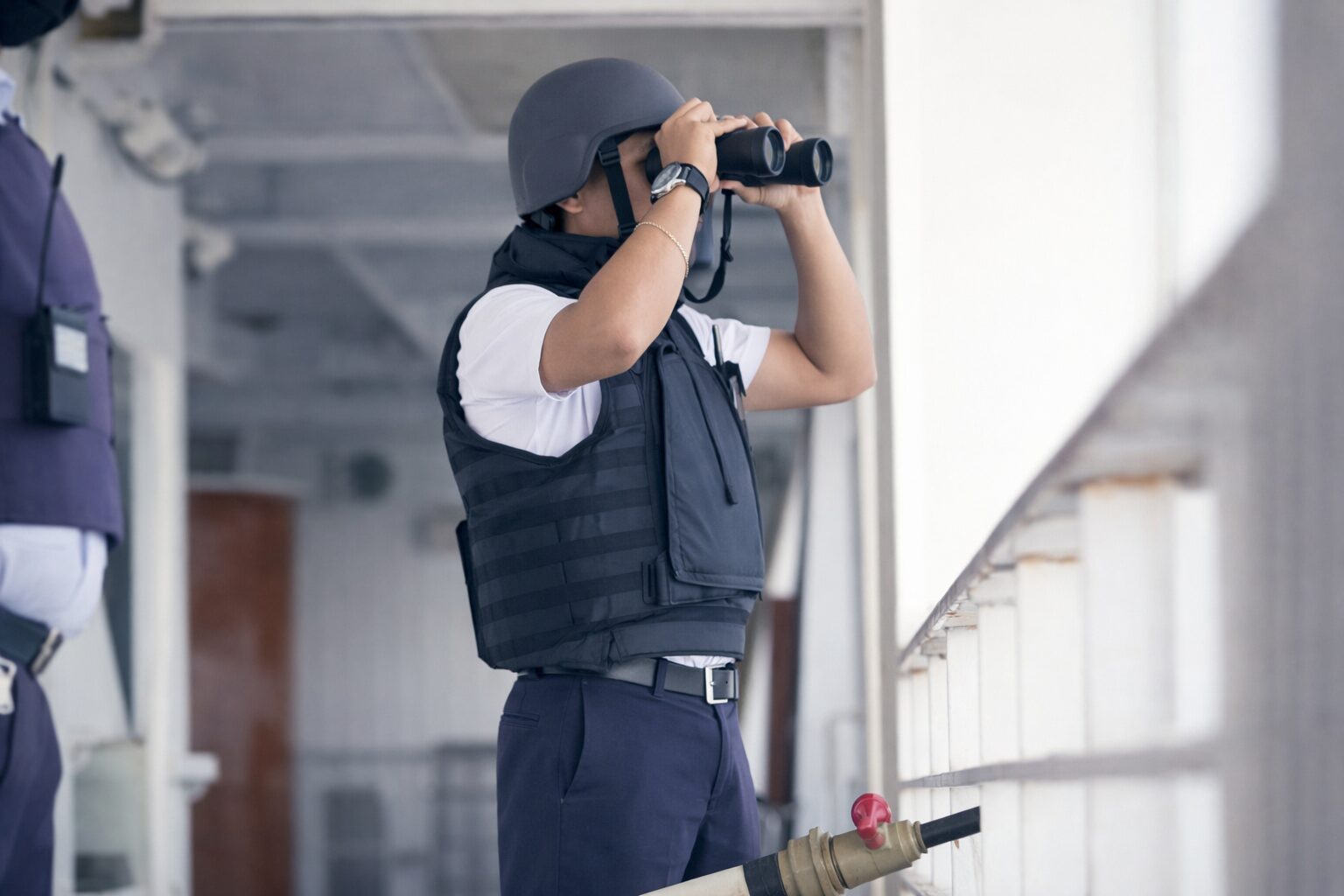
Enrolling in a Ship Security Officer (SSO) course is a crucial step for maritime professionals aiming to take on greater security responsibilities aboard an international ship.
The process is designed to ensure that only qualified individuals, those with a solid foundation in ship security, security awareness, and the ISPS Code, are entrusted with the duties of a security officer.
To begin, prospective students should confirm they meet the mandatory minimum requirements. This typically means holding a valid STCW certificate of competency, having completed Proficiency in Designated Security Duties (PDSD), and possessing relevant sea service experience.
Familiarity with security measures, ship security protocols, and port facility security is also essential, as these form the backbone of the SSO’s daily responsibilities.
The SSO course is open to officers who are ready to step into roles that demand a high level of vigilance and leadership in ship security.
Whether you are aiming to become a ship security officer, company security officer, or simply want to deepen your understanding of security duties on board, enrolling in this course is the first step toward ensuring the safety and compliance of your vessel.
What Is the Enrollment Process for SSO Training?
The enrollment process for SSO training is straightforward but requires attention to detail. Start by researching and selecting a reputable training provider that offers an STCW-approved Ship Security Officer course.
Look for programs that comprehensively cover the ship security plan, security threats, security incidents, and the full range of vessel security officer duties.
Once you’ve chosen your provider, you’ll need to register for the course. This typically involves submitting key documents such as your valid passport, STCW Certificate of Competency, and a current medical fitness certificate.
The training team will guide you through the registration steps, ensuring you understand the course structure, whether you opt for classroom-based instruction (usually 2–3 days) or an online course (typically 17–21 hours).
During registration, you’ll receive details about the course fee, schedule, and any preparatory materials. The training will focus on the implementation of the ship security plan, handling security threats, and responding to security incidents, equipping you with the practical skills needed to serve as a security officer or vessel security officer on board.
Are There Any Special Requirements for Course Registration?
Yes, there are specific requirements you must meet to register for the SSO course. Candidates are expected to demonstrate adequate security training and a solid understanding of security equipment, security inspections, and the procedures for addressing security threats.
You should be well-versed in the responsibilities of a ship security officer, including the proper treatment of cargo and vessel stores, and the coordinated implementation of security requirements across the ship and port facility.
To complete the course, you’ll need to pass a final assessment, often a written or practical test, to prove your knowledge and readiness. Upon passing, you’ll receive a Ship Security Officer certificate, which is recognized by flag states and shipping companies as a prerequisite for the Certificate of Proficiency (CoP) as a Ship Security Officer.
The SSO course is part of a broader suite of maritime security training, including related courses on port facility security, vessel personnel management, and the secure handling of cargo and vessel stores.
These programs are essential for ensuring compliance with maritime security requirements and the ISPS Code, and for maintaining the highest standards of ship security on every voyage.
FAQ Section about Ship Security Officer (SSO) Course
Is the ship security officer course mandatory for deck officers?
While not mandatory for all junior ranks, it is a requirement for anyone designated as the SSO on the muster list.
Can the SSO course be completed online?
Yes, many authorities now accept online training, provided the assessment is conducted through a secure portal.
What is the difference between SSO, CSO, and PFSO?
The SSO is the ship security officer, the company security officer manages the fleet, and the port facility security officer handles the port facility.
How do you handle vessel stores?
Training includes the proper treatment and inspection of cargo and vessel stores to prevent the introduction of unauthorized items.
Conclusion: Securing Your Future at Sea
Navigating the complexities of maritime security is about more than just checking boxes; it is about developing a mindset of constant vigilance and preparedness. We believe that a well-trained ship security officer (SSO) is the most valuable asset any vessel can have in high-risk waters.
By choosing a dedicated training partner like Certified Training, you are not just getting a certificate; you are gaining a network of professionals committed to your safety and career progression.
We have seen firsthand how this qualification opens doors to senior roles and specialized security positions across the globe. Whether you are looking to meet mandatory requirements or aiming to become a specialist in risk assessment, the journey starts with the right implementation of your education.
We are ready to help you take that next step and ensure your career remains as secure as the ships you lead.