

There’s a tiny moment that tells you how a charter is going. A guest takes a bite, pauses, and gives that polite nod that basically says, “This is… fine.” On a yacht, “fine” is where great weeks go to break.
So we treat food like a headline act, not background music. When we plan properly, the galley runs with confidence, the service stays smooth, and the guest experience feels effortless. That’s the real luxury.
It’s the chef’s passion for culinary excellence that truly elevates superyacht culinary planning, transforming each meal into a memorable event and setting the standard for luxury dining onboard.
What it is and why it matters
Culinary planning on a yacht is the system behind the scenes: menu design, provisioning, storage, prep, timing, and how the interior team serves it. It’s menu planning plus the reality of moving at sea, dealing with limited space, and having no quick restock when guests suddenly request something specific. Done well, it protects the vibe as much as it protects the food.
Owners’ preferences and expectations are key factors in shaping superyacht culinary planning, directly influencing menu choices, waste management practices, and the overall standards maintained onboard.
Food lands differently onboard than in a restaurant, because guests live with the menu all day, every day. One great dinner can’t make up for three rushed lunches or a breakfast that arrives late. In yacht charters, consistency is what people remember.
Start with the yacht, the itinerary, and the people on board
Before we write a single dish, we look at the yacht itself. Guest numbers, crew numbers, the superyacht galley workflow, equipment, and storage capacity decide what’s realistic and what’s wishful thinking. The goal isn’t to promise the world; it’s to deliver reliably.
Then we map the itinerary like a working plan, not a daydream. A Med route with frequent markets is different from long crossings and remote bays where the next port is days away. The more remote the route, the more we rely on provisioning for remote anchorages and flexible backup options.
We also match the food’s style to the climate and schedule, while carefully considering each guest’s tastes to ensure the menu is tailored to their flavor preferences. Hot days tend to prefer lighter meals, chilled seafood, salads, and fresh fruit. Cooler evenings suit comfort food, slower braises, and warm desserts that make life onboard feel cozy.
Guest preference sheets and pre-charter alignment
Guest preference sheets that yacht teams collect are the blueprint for what “luxury” means to that group. They capture preferences, dislikes, allergies, dietary restrictions, dietary requirements, cultural needs, and celebration details. They also protect privacy, because guests often share information they wouldn’t want broadcast to the whole boat.
Once preference sheets arrive, we start early. Weeks ahead give chefs time to design a menu with variety, arrange specialty items, and build contingency choices without stress. If we leave it late, we’re forced to adapt in the moment, and that’s when quality can wobble.
A short pre-charter call is worth its weight in gold. Chef, chief stew, captain, and sometimes the broker can align on timing, service style, and any must-haves the primary guest has requested. It keeps the plan realistic and the communication clean.
Here’s a simple checklist to keep pre-charter planning sharp:
- Confirm guest count, crew count, and any day visitors
- Flag allergies and strict dietary needs early
- Lock celebration nights and themed dinner nights on yachts
- Agree on meal times around activities, sea days, and tender schedules
- Confirm premium items and brands guests have requested
- Decide the vibe: relaxed, formal, or a mix
Designing a guest menu that stays exciting
Good yacht chef menu planning feels like a playlist. Breakfast sets the tone, lunch keeps energy steady, sundowners keep the mood social, and dinner is where we lean into theatre. Snacks and late-night bites matter too, because guests don’t suddenly stop being hungry just because the sun went down.
We build variety through texture, temperature, and pacing, not just “a new cuisine every night.” A rich dinner pairs well with a lighter breakfast and a brighter lunch the next day. That balance is what keeps guests feeling cared for instead of overfed.
Themes help if we keep them grown-up. Mediterranean, Asian fusion, grill night, a plant-forward spread, or a seafood-focused evening can rotate across the week without feeling gimmicky. We can even thread in classics like pasta or a perfect steak night, because familiar dishes done exceptionally well still feel premium.
Dietary needs shouldn’t turn into an awkward spotlight. We plan at least one strong gluten-free option, one dairy-free option, and one vegetarian or vegan plate at each service, so the table feels unified. When we do that, dietary restrictions stop being “special requests” and become part of normal yacht hospitality.
Plating should match the moment. Casual lunches often work best family-style, because it’s fast, friendly, and fits the deck vibe. Formal dinners can shift into plated courses with more detail and a slower pace.
Special events, theme nights, and shore days
Celebrations raise expectations instantly. Birthdays, anniversaries, proposals, and kids’ parties need food that feels personal and service that runs smoothly. We plan those days like events, with backups for weather and timing.
Theme nights work when prep is disciplined. Sushi night needs mise en place and flow, not frantic rolling mid-service. A beach BBQ needs safe cold storage, hot holding, and plates that don’t turn into a sand buffet.
Reliable wins include sushi night, paella night, curry night, taco night, mezze feasts, tasting menus, and wine-pairing dinners. The chef coordinates with the interior team for décor, music, table styling, and service choreography, while the deck team supports the setup and timing. When that coordination is tight, the guest experience feels like a curated private event.
Shore days deserve planning, too. Beach picnics and tender trips don’t forgive sloppy safety habits, especially in the heat. A simple plan, prepared containers, and the right equipment keep the day fun instead of frantic.
Crew meals that keep the whole boat running
Crew food is morale food. When crew meals are thoughtful, the crew performs better, communicates better, and has more patience during busy service windows. When it’s ignored, everyone feels it.
We plan crew meals separately, because the needs are different. Crew food should be hearty, familiar, nutritious, and budget-aware, with enough variety to avoid boredom. Repetition is fine, but it shouldn’t feel like punishment.
Timing is the trick. We fit crew meal prep around guest service, using self-serve setups, labeled containers, and grab-and-go options for peak charter days. That’s how we keep the galley efficient without starving the team.
Provisioning: where great weeks are won
Provisioning is forecasting, not shopping. We plan ingredients based on menus, number of people, duration, and itinerary, then match them to cold storage and dry storage limits. That’s where yacht provisioning and supplies become a genuine skill.
Suppliers matter because they save you when plans change. Good provisioning agents, markets, and specialty suppliers help chefs deliver consistently across different ports, and they help manage customs constraints. When the route gets remote, we carry extra stock and build contingency menus that still feel premium.
A smart pantry covers both luxury and practicality. Dry ingredients, shelf-stable staples, and frozen backups give breathing room, and small items like honey can quietly save breakfasts and desserts when fresh options run short. We also keep an eye on processed snacks, because guests and crew often want quick bites between activities.
Storage is always the limiter, so we plan around it upfront. If freezer space is tight, we avoid menus that depend on bulky frozen items. If fridge space is tight, we rotate fresh produce more aggressively and plan smarter mise en place.
Galley design and equipment: setting up for success
A superyacht galley is a chef’s stage, and its design can make or break the flow of service. With limited space on board, every inch counts, so a yacht chef must think like an engineer as well as a cook.
The best galleys are fitted with commercial-grade equipment that can handle the demands of high-end cuisine, even when the sea is rolling. Rational combi ovens, induction hobs, and compact refrigeration units are essential tools, allowing a superyacht chef to prepare a wide range of dishes with professional precision.
Safety is non-negotiable, so advanced ventilation and fire suppression systems are built in from the start. Smart storage solutions, like pull-out racks and modular prep stations, help maximize efficiency and keep the workspace organized.
When the galley is set up for success, a yacht chef can focus on what matters most: delivering exceptional food and service to guests, no matter how challenging the conditions. Investing in the right equipment and thoughtful design isn’t just a luxury; it’s essential for creating a world-class culinary experience at sea.
Galley logistics and food safety
A superyacht galley is a high-performance kitchen in a compact, moving space. Counters are limited, movement can be unpredictable, and staffing can be lean. That’s why chefs rely on workflow: clear prep windows, clean service windows, and proper resets.
Food safety on superyachts is non-negotiable. Temperature control, cross-contamination prevention, labeling, sanitising routines, and a HACCP mindset protect guests and crew, especially during long service days. Many yachts expect formal training, and it’s common to see Food Safety Level 2 requirements listed alongside role expectations.
We also coordinate timing with the bridge. If captains are calling for manoeuvres or rough conditions, we adjust service and protect the team. Safety is part of good cooking, not a separate checklist.
Food and beverage storage at sea
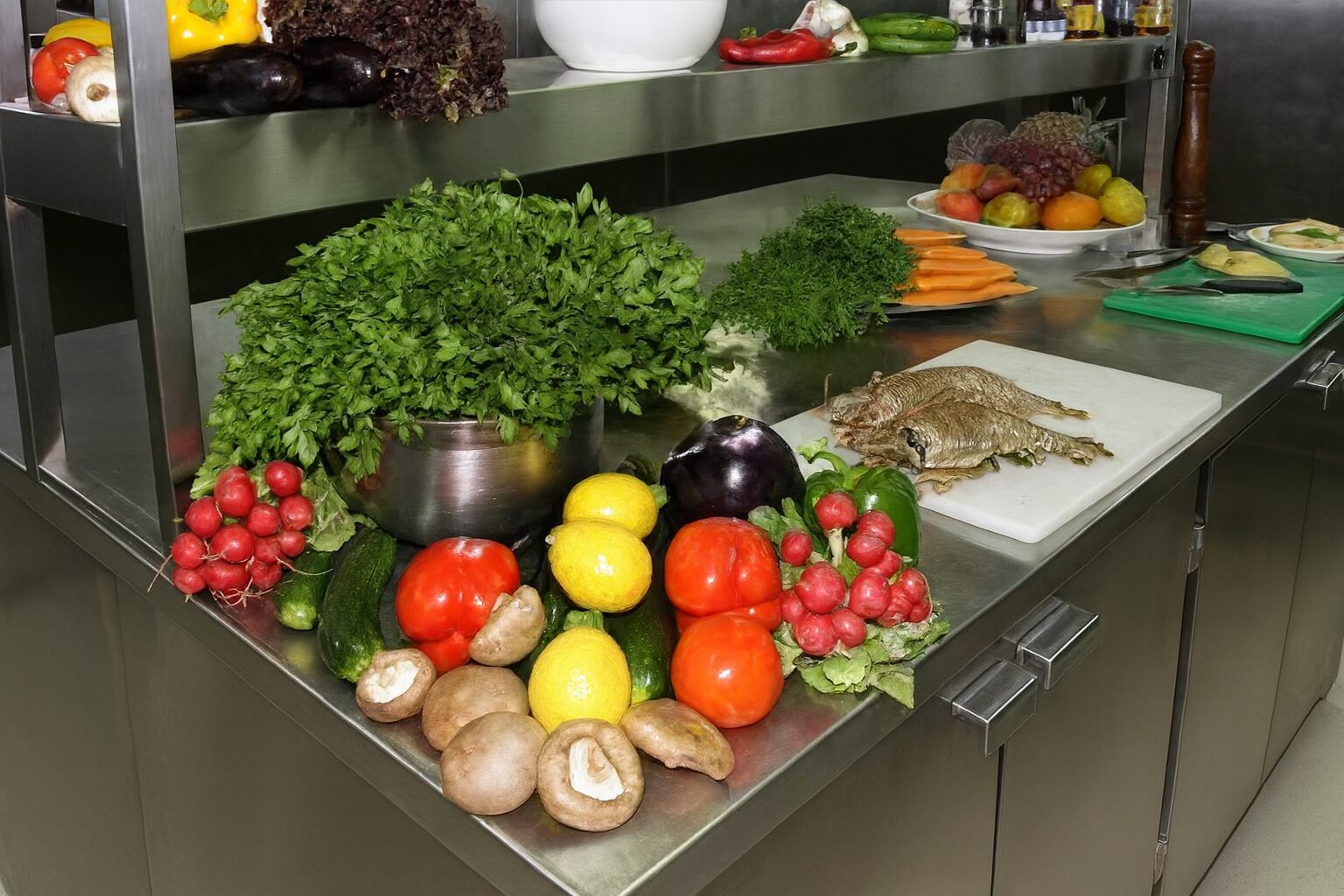
On a superyacht, storage is both an art and a science. A yacht chef must plan meticulously to keep dry ingredients, fresh produce, and beverages in peak condition throughout the charter. Climate-controlled storage rooms, walk-in coolers, and freezers are the backbone of any successful galley, ensuring that food stays safe and delicious from the first day to the last.
Organization is key. Provisions are arranged for easy access and rotation, reducing waste and making it simple to adapt menus to guests’ dietary requirements and preferences. By understanding what guests want and need, a superyacht chef can tailor storage solutions to support every meal, from breakfast to late-night snacks.
Efficient storage also empowers the superyacht crew to manage resources wisely, keeping the galley running smoothly and supporting sustainable practices on board. When storage is handled well, everyone benefits, guests enjoy fresh, high-quality meals, and the crew can deliver with confidence.
Waste handling and recycling on board
Waste management is a cornerstone of responsible superyacht operations. For a yacht chef, minimizing waste isn’t just about keeping the galley tidy; it’s about supporting the guest experience, protecting the environment, and ensuring the safety of everyone on board. Effective systems for recycling glass, plastics, and paper are essential, as is a plan for handling food waste through composting or other eco-friendly methods.
By taking a proactive approach, a superyacht chef can reduce the vessel’s environmental footprint and help the crew work more efficiently. Clear labeling, regular waste sorting, and crew training all contribute to a safer, cleaner yacht.
These efforts not only support the health and morale of the crew but also enhance the overall guest experience, showing clients that their charter is run with care and professionalism. In the end, strong waste management is a mark of a truly world-class superyacht operation.
Beverage and bar planning
Culinary planning includes drinks because guests experience the full package. Wines, spirits, mixers, soft drinks, juices, teas, coffee, and mocktails all need stock control and storage planning. When beverages are planned well, service feels polished.
Pairings don’t need to be complicated. A crisp white with seafood lunch, a signature cocktail for a themed night, or a well-timed champagne moment can elevate the mood. We also plan premium non-alcoholic options so everyone at the table feels catered to.
Budgeting, portion control, and waste
Budgets exist, even on luxury charters. We plan per head, per day, then allocate extra for celebration nights and premium items. That keeps the plan grounded and stops surprises from turning into panic.
Portion control is not stinginess; it’s professionalism. We want abundance without waste, and that means tracking habits, snack patterns, and how active the group is. Running short is embarrassing, but drowning in leftovers is expensive.
We reduce waste through smart reuse and better forecasting. Leftover roast chicken can become next-day salads or sandwiches, and extra veg can become soups or sides, without compromising quality. Choosing seasonal produce and reducing packaging also keeps the environmental footprint cleaner.
Presentation and service: elevating the dining experience
On a superyacht, every meal is an opportunity to impress. A yacht chef knows that creative presentation and flawless service are just as important as the food itself. Dishes are plated with an eye for color, texture, and detail, using the freshest ingredients and thoughtful garnishes to turn every course into a visual feast.
But the presentation is only half the story. Seamless collaboration with the crew ensures that meals are served at the perfect moment, with attentive hospitality and a personal touch that makes each guest feel special.
Dietary needs and preferences are handled discreetly, so everyone at the table enjoys a unified, memorable experience. By focusing on both the art of plating and the choreography of service, a superyacht chef can create moments that guests remember long after the charter ends.
This commitment to excellence builds confidence, loyalty, and a reputation for delivering the very best at sea.
Collaboration across departments
The best weeks happen when planning is shared, not siloed. Chefs, chief stews, captains, and deck crew coordinate timing, service style, and activity schedules so meals fit the day. That coordination makes service feel effortless.
Timing is everything onboard. We plan lunch around anchor drops, sundowners around sunset, and formal dinners around calmer windows. When we do that, the whole yacht runs smoother.
We also coordinate private shore experiences and restaurant bookings. When the crew is aligned, no one gets blindsided by a sudden “we’re leaving early” message mid-prep. The goal is simple: deliver consistently, with calm.
Tools that keep you sane
The best systems are boring in the best way. Templates reduce stress, spreadsheets prevent expensive mistakes, and logs help us learn charter after charter. If you want efficiency, you build repeatable habits.
Useful tools include:
- Menu planning templates mapped to charter length
- Provisioning spreadsheets with par levels and usage tracking
- Inventory checklists for dry stores, fridges, and freezers
- A digital recipe bank with notes on preferences and feedback
- A post-charter debrief note: what worked, what didn’t, what to tweak
Training and career development for chefs
Strong planning skills make a yacht chef more employable because they show leadership. A chef who can deliver guest-level dining, run provisioning, and keep food safety tight is valuable in the industry. That’s why structured yacht training is worth considering.
If you’re mapping a career path, it’s common to start with an STCW certificate and STCW training, including STCW basic safety training. In Cape Town, many candidates compare the STCW course Cape Town option by looking at the STCW course price and the STCW course price Cape Town providers advertise, then choose the package that fits their plan and timeline. Organizations like the Certified Training can assist aspiring chefs and crew members with meeting certification requirements and navigating the training process.
From there, adding a yachting course that supports galley operations can help you move from “good cook” to “capable yacht professional.” Some chefs also look for a superyacht training academy or a broader yacht training pathway that builds practical onboard skills beyond cooking, so they can support the crew and understand how the boat runs.
A superyacht chef who can plan, provision, and adapt under pressure stands out fast. The best chefs build a range of skills, stay creative, and keep refining systems so they can deliver a consistent guest experience across different yacht charters.
FAQs
What is yacht culinary planning, and how is it different from restaurant menu planning?
Restaurant planning assumes stable supply chains, predictable service spaces, and fast access to replacements. Yacht menu planning includes storage limits, movement at sea, itinerary-based provisioning, and tighter coordination with the whole crew. Onboard, planning is the safety net.
How far in advance should a chef start planning menus for a charter?
As soon as the preference sheets and itinerary are confirmed, start the plan. Weeks ahead give you time to source, test, and arrange suppliers. It also reduces stress when guests request changes.
How do chefs use guest preference sheets when planning?
Preference sheets guide what to include, what to avoid, and what to elevate into signature moments. They also highlight allergies and dietary requirements so the galley can set up safe processes. When we respect preferences, service feels personal.
How do you plan menus around dietary restrictions and food allergies?
We build inclusive choices into each meal so restricted guests aren’t singled out. We separate prep zones, label storage clearly, and brief the crew on safety protocols. If an allergy is serious, we treat it like an essential operational rule.
What’s the best way to provision a charter in remote areas?
Build redundancy. Stock long-life staples, frozen backups, and flexible components so you can adapt when deliveries fail. Then plan menus that still feel fresh and intentional.
How do chefs balance guest dining with crew meals?
Separate the systems. Batch-friendly crew food, self-serve setups, and smart timing protect guest service windows. That way, the crew stays fueled without chaos.
How do you plan for special occasions and themed nights?
Lock the date, confirm timing, and build a backup plan for weather and schedule changes. Coordinate with interior for décor and service style, and with the deck for setup and logistics. Then execute calmly.
What tools or templates help most?
Menu templates, provisioning spreadsheets, and inventory checklists reduce mistakes fast. A recipe bank with feedback notes helps you repeat wins. A post-charter debrief turns every week into a better one.
Final thoughts
Great planning makes yacht life feel easy, even when it isn’t. When chefs plan the menu, manage supply, and coordinate with the crew, guests feel relaxed and looked after. Keep the systems simple, stay professional, and deliver the kind of meals people talk about long after they’re back on land.