
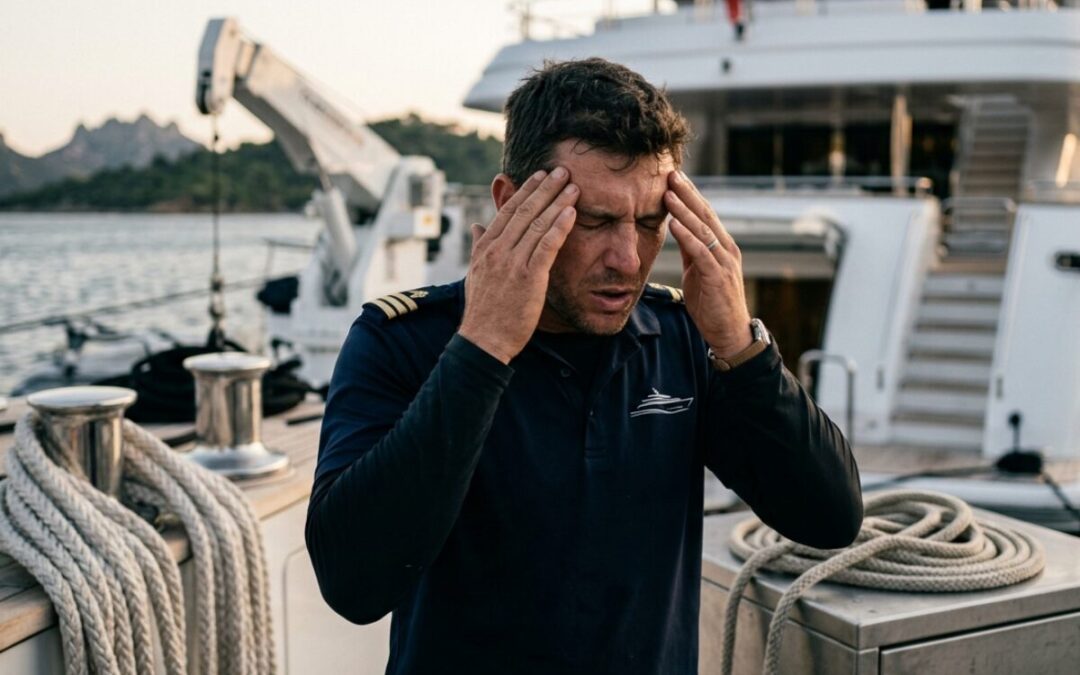
Life aboard a luxury yacht offers undeniable adventure, global travel, and rewarding earning potential. However, the unique operational environment creates distinct psychological pressure. Living where you work, navigating months of high-demand charter trips, and coping with tight living quarters can take a toll on even the most experienced seafarers.
Proactively managing superyacht crew mental health is just as vital as mastering navigation, line handling, or interior silver service. Maintaining emotional balance, personal resilience, and mental health at sea requires intentional daily habits, open communication, and knowing where to seek help when challenges arise.
Understanding how to protect your emotional well-being, starting from your initial STCW basic safety training before you board your first vessel, helps ensure a long, healthy, and successful career in the maritime industry.
What Unique Triggers Impact Superyacht Crew Mental Health?
The superyacht environment combines high physical demands with constant interpersonal contact, creating specific triggers that affect emotional well-being over long contracts. Completing professional yacht training helps set realistic expectations for these operational realities.
How Do Long Hours and Charter Demands Cause Psychological Strain?
During a busy charter or owner season, shifts extending past 16 hours are common. Deckhands, stewardesses, engineers, and chefs work at an intense pace to maintain flawless guest standards, manage rapid turnarounds, and keep safety systems operating smoothly.
Continuous operational alertness without sufficient time for physical and mental recovery leads to cumulative exhaustion. When high physical effort is sustained over several weeks without adequate rest, chronic stress can set in, making emotional regulation and stress management far more challenging.
Why Does Living in Close Quarters Lead to Isolation and Conflict?
A major paradox of life at sea is experiencing yacht crew isolation and loneliness while rarely ever being physically alone. Crew members spend months sharing small cabins, bunk beds, and compact mess areas with colleagues from diverse backgrounds.
The lack of personal space and privacy can magnify minor misunderstandings into ongoing interpersonal friction. Without a private place to retreat to at the end of a shift, crew members can feel emotionally drained, isolated, and overwhelmed by constant social immersion.
Step 1 – How Do You Recognize the Early Warning Signs of Onboard Burnout?
Recognizing early warning signs of stress in yourself and your crewmates is essential for yacht crew burnout prevention before physical fatigue or emotional distress disrupts daily life. Essential modules in your foundational STCW course emphasize fatigue management and situational awareness to help identify these signs early.
What Physical Symptoms Signal Unmanaged Stress at Sea?
Unmanaged stress usually manifests physically before a person realizes they are struggling emotionally. Key physical warning signs include:
- Persistent tension headaches and unexplainable muscle tightness.
- Frequent digestive issues or sudden changes in appetite.
- Difficulty falling asleep, frequent waking, or unrefreshing sleep despite fatigue.
- Slower reaction times, minor coordination lapses, or unusual physical sluggishness on shift.
Ignoring these physical signals increases the risk of workplace accidents, compromises reaction time during watchkeeping duties, and worsens overall fatigue.
What Emotional Changes Indicate Mental Health Struggles in Crewmates?
Sustained pressure also shows up in behavioral and emotional shifts. You or a crewmate may notice a drop in patience, sudden irritability, or increased cynicism toward daily tasks.
Other emotional warning signs include stepping away from group conversations in the crew mess, withdrawing from team activities, showing persistent anxiety, or losing interest in personal hobbies during time off. Checking in quietly on a colleague who displays these shifts can offer timely support when it is needed most.
Step 2 – What Daily Self-Care Routines Keep You Grounded Onboard?

Protecting your superyacht crew wellbeing relies on building small, sustainable self-care habits into your daily schedule, even during high-pressure charter weeks.
How Do You Protect Your Sleep and Physical Rest in Shared Cabins?
Quality rest is your first line of defense against burnout. In a shared cabin environment, taking simple steps to optimize your sleep quality makes a significant difference:
- Wear high-quality blackout eye masks and noise-canceling earplugs or silicone sleep plugs to block ambient vessel noise and light.
- Establish a consistent pre-sleep routine, such as turning off phone screens 20 minutes before lying down.
- Maintain proper hydration and prioritize balanced nutrition during intense charter days rather than relying solely on caffeine and sugar for energy.
Treating your rest time as essential maintenance allows your body and mind to reset for the next shift.
How Can Mindfulness and Exercise Reduce Daily Stress on Shift?
Short mindfulness habits can help relieve mental tension during busy shifts. Taking five minutes on break to practice deep box breathing (inhaling for four seconds, holding for four, exhaling for four, holding for four) lowers heart rate and calms the nervous system.
Engaging in light physical exercise during off-watch hours, such as bodyweight movements, stretching in crew areas, or going for a brief walk when tied up in port, helps process stress hormones. Stepping onto the outer deck for a few minutes to take in fresh sea air and look out at the ocean horizon provides an immediate, grounding mental reset.
Step 3 – How Do You Build Healthy Boundaries and Communication with Crew?
Maintaining clear personal boundaries and practicing open communication helps manage daily tension, resolve misunderstandings early, and cultivate onboard psychological safety. Understanding human relationships at sea is a core focus taught during STCW basic safety training.
How Can You Separate Your Work Life from Your Personal Time Onboard?
When your home and workplace are the same physical boat, creating clear mental boundaries is essential for recovery.
- Change out of your uniform as soon as your shift finishes to signal to your mind that work is over.
- Step away from active work areas like the galley, laundry, or bridge during off-duty hours whenever possible.
- Communicate politely with crewmates when you need quiet time to rest, read, or speak with family back home rather than socializing in the crew mess.
Setting respectful personal limits allows you to recharge properly without feeling guilty for taking downtime.
How Does Open Communication Prevent Conflict from Escalating?
Tension can build quickly when people work closely together under pressure. Addressing minor issues early with calm, direct communication prevents small frustrations from escalating into serious onboard conflict.
Focus on describing how a situation affects your work or rest rather than assigning blame. Practice active listening when a colleague speaks, and look for practical solutions together. Establishing an informal peer buddy system within your department gives crew members a safe space to vent and support one another through challenging charter periods.
Step 4 – Where Can You Access Confidential Professional Support at Sea?
When daily self-care routines are not enough, reaching out for professional guidance is a responsible step toward protecting your health.
What Helplines and Telehealth Services Are Available to Yacht Crew?
The maritime industry offers several free, 24/7 independent resources designed to support seafarers globally:
- Yacht Crew Help (ISWAN): A free, 100% confidential, multilingual helpline available worldwide via WhatsApp, live chat, or phone, created specifically for superyacht crew.
- SeafarerHelp: A global 24/7 support line offering confidential guidance, crisis support, and practical advice for seafarers at sea.
- MedAire & Telehealth Services: Many vessels subscribe to professional remote medical services that include access to mental health professionals and counseling.
Crew members can access confidential counseling for yacht crew independently without requesting permission from senior officers or informing management.
How Can Captains and Management Companies Create a Safe Environment?
Vessel leadership plays a critical role in creating a positive onboard culture. Captains, Chief Mates, and Chief Stews set the tone by discussing mental health openly, enforcing fair work-rest schedules in compliance with maritime regulations, and addressing interpersonal issues promptly.
Including mental health awareness in safety briefings and keeping information for support helplines posted in the crew mess helps eliminate stigma, ensuring crew members feel comfortable seeking help when needed.
How Does Formal Maritime and STCW Basic Safety Training Prepare Crew for Mental Health at Sea?
Preparing for the psychological realities of sea life begins long before you step aboard a vessel.
Completing accredited maritime qualifications builds the groundwork for emotional resilience and career longevity, and under the STCW international convention set by the International Maritime Organization.
STCW Basic Training is mandatory for all working seafarers, with STCW certification required for mariners operating beyond U.S. waters and into international waters under international standards recognized by the Coast Guard. STCW certificates are valid for five years before renewal.
Mariners without 360 days of sea time need a basic training refresher or other refresher training, while STCW revalidation applies to those with 360 days of sea time.
Why Are Qualification Standards and Personal Safety and Social Responsibility (PSSR) Essential for Wellbeing?
During foundational maritime instruction, Personal Safety and Social Responsibility (PSSR) is a key module within STCW basic training that helps new crew adapt to onboard living conditions, interpersonal dynamics, fatigue management, and safety protocols.
Alongside Personal Survival Techniques, Firefighting, and First Aid, this 5-day course combines classroom instruction with practical drills to establish the core standards of competence required at sea.
Understanding these operational and social dynamics before stepping on board eliminates unrealistic expectations about yacht life.
Candidates who complete an STCW safety certification or entry-level deckhand package enter the industry clear-headed, professionally prepared, and equipped to handle the realities of life at sea.
Selecting an accredited training provider ensures you gain high-standard practical skills, safety awareness, and career guidance. As a result, prospective crew frequently travel to premier maritime hubs like South Africa to complete their STCW training in Cape Town.
When planning your training budget, course fees in Cape Town are far more affordable than those in European or North American hubs. This cost advantage allows candidates to complete their safety certifications and specialized superyacht modules at accessible rates before launching their international careers.
Frequently Asked Questions
Why is superyacht crew mental health such a significant issue in the yachting industry?
Superyacht crew face long working hours, extended separation from family, high-pressure environments, and limited personal space, making proactive mental health management essential.
What should I do if I am feeling overwhelmed or burnt out onboard a yacht?
Talk to a trusted crew member or head of department, practice daily micro-rest habits, and utilize confidential 24/7 seafarer support helplines like Yacht Crew Help.
Can I access mental health counseling while at sea without my captain knowing?
Yes. Independent organizations like ISWAN (Yacht Crew Help) and dedicated crew support programs offer 100% confidential support that does not require captain approval or notification.
How can captains and heads of department improve mental health on their vessel?
Leaders can promote open communication, ensure fair work-rest hours, address onboard conflicts early, and provide information on available mental health resources in crew areas.
What are the most common physical signs of chronic stress at sea?
Common physical symptoms include persistent fatigue, insomnia, frequent headaches, muscle tightness, and digestive issues.
How can I maintain a healthy work-life balance when living where I work?
Establish clear off-duty boundaries, step away from work areas during breaks, engage in personal hobbies, and stay in touch with loved ones back home.
Conclusion
Managing superyacht crew mental health is essential for maintaining a rewarding, sustainable career in the maritime industry.
By recognizing early signs of burnout, establishing daily self-care habits, maintaining clear boundaries, and utilizing confidential support resources when needed, seafarers can manage the demands of life on the water while protecting their well-being.
Ready to build a strong foundation for your maritime career? Partner with Certified Superyacht Academy in Cape Town to gain the accredited safety certifications, practical skills, and professional guidance needed to thrive at sea.
Contact Certified Training’s maritime training advisors today to learn more about our upcoming course dates, package options, and how we help prepare you for life in the global yachting industry.