

When most people picture a yacht, they imagine turquoise seas, fine dining on deck, and a lifestyle of ultimate freedom. What often goes unseen is the intricate legal framework that makes this dream possible. Behind every smooth sailing experience is a web of maritime law and charter regulations for superyacht operations that keep yacht owners, charterers, guests onboard, and crew safe while protecting the oceans we sail.
The truth is, without this structure, the maritime industry could not function. As professionals, we understand that compliance is not just about rules, it’s about ensuring safety, efficiency, and reputation. Let’s dive into how maritime law and charter regulations shape yacht chartering and why they matter so much to everyone involved.
Introduction to the Superyacht Industry
The superyacht industry stands at the intersection of luxury, adventure, and rigorous regulation. For many yacht owners and operators, navigating this world means more than just enjoying the open sea, it requires a deep understanding of the international maritime laws and safety procedures that govern every aspect of yacht operation.
From the initial selection of a flag state to the day-to-day management of vessels, ensuring compliance with a complex web of rules and regulations is essential for smooth sailing and the long-term success of any superyacht venture.
Whether you are an experienced owner or new to chartering, the superyacht industry demands a proactive approach to legal and operational requirements.
Owners and operators must stay up to date with evolving regulations, prioritize safety, and implement best practices to protect their investment and reputation.
In a world where the stakes are high and the rules are ever-changing, understanding the essentials of superyacht operation is the key to unlocking the full potential of yacht ownership and chartering.
Why Maritime Law Matters in Yachting
Superyacht operations span international waters, multiple jurisdictions, and diverse passengers. Regulatory classifications and safety regulations differ for yachts carrying more than 12 passengers, with a clear legal distinction between recreational yachts and passenger ships, including stricter safety standards and certifications. Maritime law is what ties all of this together. It ensures operational standards so that every voyage is run responsibly.
For many yacht owners, these legal considerations protect a major financial investment. For charterers and guests onboard, they provide reassurance that safety procedures and service are never compromised.
For crew, conventions like the maritime labour convention (MLC) guarantee fair contracts and safe working conditions. At its core, maritime law ensures that luxury doesn’t come at the expense of responsibility.
Choosing a Flag State and Registering Commercially
One of the earliest decisions yacht owners face is choosing a flag state, the country under whose laws the vessel is registered. This choice has significant implications, influencing everything from tax implications and compliance to where the yacht can legally charter.
Popular options like the Cayman Islands, Isle of Man, and Marshall Islands, along with the Red Ensign Group, all bring their own advantages.
Flag choice affects:
- Tax and costs – Some jurisdictions offer lower fees or favorable fiscal regimes.
- Regulatory burden – Certain flags demand stricter safety protocols and inspections.
- Charter freedom – The flag can determine where and how the yacht can legally operate as a commercial operation.
A private yacht used only for private use can be privately registered. Once a yacht is offered for hire and operated commercially, it must adhere to international and national regulations to ensure proper legal status and safety compliance.
But the moment it’s offered for hire as a commercial operation, commercial registration is usually required. This brings higher compliance standards but also opens the door to charter yachts generating income.
Charter Yachts and Ownership Structures
Charter yachts provide an enticing opportunity for individuals to experience the luxury and freedom of yachting without the long-term commitment of sole ownership. Many yacht owners are now exploring innovative ownership structures, such as fractional ownership and charter membership programs, which allow them to share the costs and responsibilities of yacht ownership while still enjoying access to world-class vessels.
These arrangements can offer significant benefits, but they also come with important legal considerations. Prospective charter yacht owners must carefully review contracts, understand their liability exposure, and consider the tax implications of each ownership model.
For example, the allocation of liability between co-owners or charter members can affect both financial risk and operational control. Tax implications may vary depending on the structure chosen and the jurisdictions involved.
Seeking professional advice is crucial to navigating these complexities. By working with experienced legal and financial advisors, individuals can ensure that their chosen ownership structure aligns with their goals and provides the right balance of flexibility, protection, and value.
With the right approach, charter yachts can deliver an exceptional yachting experience while minimizing risk and maximizing enjoyment.
Classification and Certification: Keeping Standards High
Commercial charter yachts are monitored by classification societies such as Lloyd’s Register, Bureau Veritas, the American Bureau, or RINA.
These organizations set construction standards for hull strength, equipment, and safety systems. Their oversight is critical, it ensures vessels remain seaworthy and that insurers are willing to provide coverage.
Commercial yachts must also complete regular audits and inspections:
- ISM audits confirm safe management procedures are followed.
- ISPS audits ensure proper security against potential threats.
- Annual flag inspections verify ongoing compliance with labor and safety rules.
- Port state controls check visiting vessels for adherence to international maritime law.
These audits and inspections are essential to ensure compliance with the regulatory frameworks governing both private and commercial vessels.
Without these checks, a vessel could face detention, fines, or loss of insurance cover, serious setbacks for any charter.
Charter Agreements: Bareboat vs. Time Charter
Every instance of yacht chartering depends on a contract that outlines responsibilities and liabilities. There are two main types:
- Bareboat charter – The charterer takes full responsibility for operating the yacht, hiring their own crew, and covering all running costs. At least one person on board must have the appropriate licensing or certification to operate the yacht legally and safely. Some bareboat charters may even carry cargo in specific circumstances.
- Time charter – The yacht comes with a crew and management structure, while the charterer pays for expenses like fuel, food, and port fees.
Most crewed charters use time charter agreements under MYBA terms, which are considered the gold standard in the world of yacht brokers. These contracts cover everything from cancellation policies to liability, ensuring clarity for owners, charterers, and brokers.
Licensing and Essential Documents
Without the right paperwork, a yacht can’t legally charter. You must obtain all necessary certifications, licenses, and permits required for legal operation, which can be time consuming but are vital. Licensing requirements vary, but typically include:
- A Certificate of Registry from the flag state.
- Insurance certificates covering hull, liability, and crew.
- MLC compliance certificates proving crew welfare standards.
- Customs and immigration clearance when crossing destinations abroad.
Securing all required documentation is essential to meet legal requirements and protect the yacht and its operations.
Some jurisdictions, like Spain and France, impose additional charter licenses, even for yachts already commercially registered elsewhere. Missing these requirements can mean cancelled trips and heavy fines.
Vessel Documentation and Compliance
Proper vessel documentation and strict compliance with maritime laws are fundamental to the safe and legal operation of superyachts. Owners and operators must register their yacht with the appropriate flag state, which sets the legal framework for the vessel’s operation and determines the specific regulations that must be followed. This includes obtaining all necessary certifications and permits, such as those required under the Large Yacht Code, which establishes construction and operational standards for larger vessels.
Compliance with the Maritime Labour Convention is also essential, as it sets minimum standards for crew working conditions, safety procedures, and welfare. In addition, superyachts operating commercially in U.S. waters must secure a coastwise endorsement, demonstrating their eligibility for commercial operation under U.S. law.
Adhering to the rules and requirements of the Coast Guard and other maritime authorities is non-negotiable, as failure to do so can result in fines, operational restrictions, or even detention of the vessel.
By staying vigilant and ensuring all documentation is current and accurate, yacht owners and operators can avoid costly legal issues and maintain the highest standards of safety and professionalism. In the world of superyachts, thorough documentation and unwavering compliance are not just best practices, they are essential for successful and lawful operation.
Crew Regulations and Labor Law
Crew are the backbone of every charter, and their wellbeing is protected by international maritime law. The Maritime Labour Convention sets rules for contracts, working hours, and living conditions.
Other key requirements include:
- STCW certification for all crew, tailored to their role.
- Safe Manning Certificates, confirming the yacht carries enough qualified personnel.
- Fair employment contracts aligned with flag state law.
- Careful crew selection to ensure operational standards are maintained.
For captains and operators, ensuring compliance is not just a legal duty but also vital for recruiting and retaining top talent.
(Explore career paths at STCW crew jobs).
Insurance, Liability, and Risk Management
For superyacht owners and operators, robust insurance and risk management strategies are essential to safeguard both the vessel and all parties involved in its operation. The high value of yachts, combined with the unique risks of chartering and international travel, makes comprehensive insurance coverage a necessity.
This typically includes hull and machinery insurance to protect the physical asset, liability insurance to cover potential claims from third parties, and crew insurance to ensure the well-being of those working onboard.
Chartering introduces additional layers of risk, from potential accidents and injuries to damage to the vessel or other property. Owners and operators must be proactive in identifying and mitigating these risks, often by working closely with experienced yacht brokers and insurance specialists.
These professionals can help tailor insurance solutions to the specific needs of each vessel and operation, ensuring that all liabilities are adequately covered.
By prioritizing insurance and risk management, superyacht owners and operators can operate with confidence, knowing they are protected against unforeseen events. This not only safeguards their investment but also ensures a safe and enjoyable experience for all guests and crew onboard.
Tax Implications for Superyacht Owners
Navigating the tax landscape is one of the most complex aspects of superyacht ownership, with significant implications for both owners and operators. Taxes such as value-added tax (VAT), import duties, income tax, and capital gains tax can all impact the overall cost and profitability of owning and chartering a superyacht.
The choice of flag state plays a crucial role, as some flag states offer more favorable tax regimes, potentially reducing the tax burden for owners.
Chartering activities can also trigger additional tax obligations, including taxes on charter income and VAT on charter fees, depending on the jurisdictions involved. Different ownership structures, such as charter membership programs or fractional ownership, may further influence tax liability and compliance requirements.
Given the complexity and variability of tax laws across different countries, it is essential for superyacht owners and operators to seek expert advice and develop a tailored tax strategy. By understanding the tax implications of their decisions and ensuring compliance with all relevant regulations, owners can optimize their financial position and avoid unexpected liabilities. With careful planning and professional guidance, the financial aspects of superyacht ownership can be managed effectively, allowing owners to focus on enjoying their time at sea.
Insurance and Risk Management
Yachting may be glamorous, but it’s not without risks. That’s why charter agreements are filled with clauses on liability and insurance. Proper coverage is non-negotiable.
Typical policies include:
- Hull and machinery insurance to protect the yacht.
- P&I insurance to cover third-party claims.
- Crew medical and repatriation insurance, a requirement under MLC.
Without these, even a minor accident could result in devastating financial losses for owners and operators.
International Safety and Environmental Rules
Charter yachts must also meet international maritime conventions that protect life at sea and safeguard the environment. These include:
- SOLAS for safety equipment, fire protection, and navigation standards. Emergency procedures are a critical component of SOLAS compliance, ensuring that both crew and passengers are prepared for emergencies at sea.
- MARPOL to prevent pollution from oil, sewage, and garbage.
- COLREGs to avoid collisions at sea.
Today, there’s increasing focus on eco-friendly operations. Yachts are expected to manage emissions, sewage, and waste responsibly. Compliance shows passengers and regulators alike that luxury can coexist with sustainability.
The Role of Yacht Managers
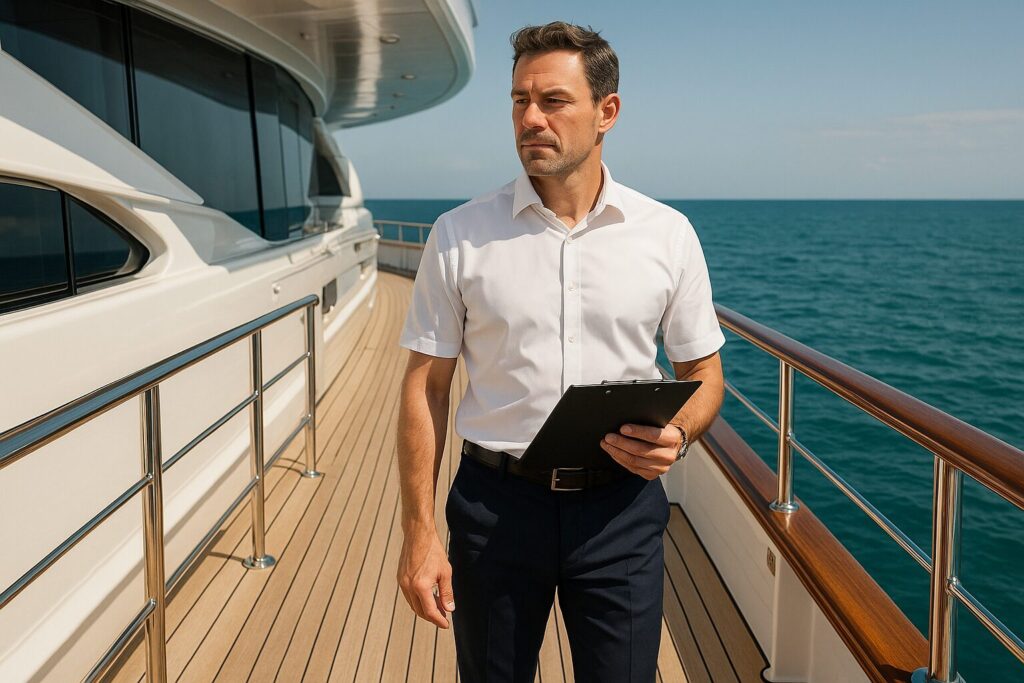
Behind every successful charter is a management team keeping compliance on track. Managers coordinate audits, renewals, crew payroll, and charter logistics. They also oversee the legal and regulatory requirements involved in yacht charter operations. They also act as a bridge between yacht owners, brokers, and flag states.
Their work ensures that passengers enjoy seamless luxury while the yacht stays fully compliant. In short, managers make sure the behind-the-scenes details are as polished as the decks.
What Happens if You Don’t Comply?
The risks of ignoring international maritime rules are serious:
- Heavy fines from authorities.
- Detention in port, ruining charter schedules.
- Loss of insurance, leaving yacht owners exposed.
- Reputation damage, which can deter future crewed charters.
Non-compliance can also result in restrictions or prohibitions on conducting yacht charters, especially for vessels exceeding certain passenger capacities or operating without the proper licensing required by regulations.
In extreme cases, negligence can even lead to criminal charges. Compliance and safety protocols are not just red tape, they’re shields protecting owners, passengers, and crew.
FAQs: Maritime Law and Charter Regulations for Superyachts
What’s the difference between private and commercial registration?
Private registration is for personal use only. Commercial registration allows yacht chartering but comes with stricter safety and labor requirements.
Why does flag state choice matter?
It dictates the yacht’s legal framework, affecting taxation, inspections, and where the yacht can charter.
What types of charter agreements exist?
Bareboat charters hand over full responsibility to the charterer. Time charters keep the owner in charge, with MYBA terms as the industry norm.
Which licenses and documents are required?
At minimum: registry certificates, insurance, MLC compliance, and customs paperwork. Local licenses may also apply.
What crew rules apply?
MLC standards, STCW certification, Safe Manning Certificates, and crew selection are essential.
How do classification societies help?
They ensure yachts remain safe, insurable, and compliant through audits and inspections, and that larger vessels meet the Large Yacht Code.
What insurance is required?
Hull and machinery, P&I liability, and crew coverage are all vital.
What international rules apply?
SOLAS, MARPOL, and COLREGs cover safety, environmental protection, and navigation, alongside port state controls and oversight from the coast guard or coastguard agency.
What are the penalties for non-compliance?
Fines, detention, invalidated insurance, and reputational harm, sometimes even legal prosecution.
Conclusion
Maritime law and charter regulations form the backbone of yacht chartering. They keep charters safe, professional, and enjoyable while protecting valuable assets and the well being of everyone onboard.
Yes, the rules can be time consuming and complex. But with experienced managers, classification societies, and trained crew, compliance becomes second nature. Together, we can ensure that charter yachts remain the ultimate blend of luxury, safety, and responsibility on the sea.