
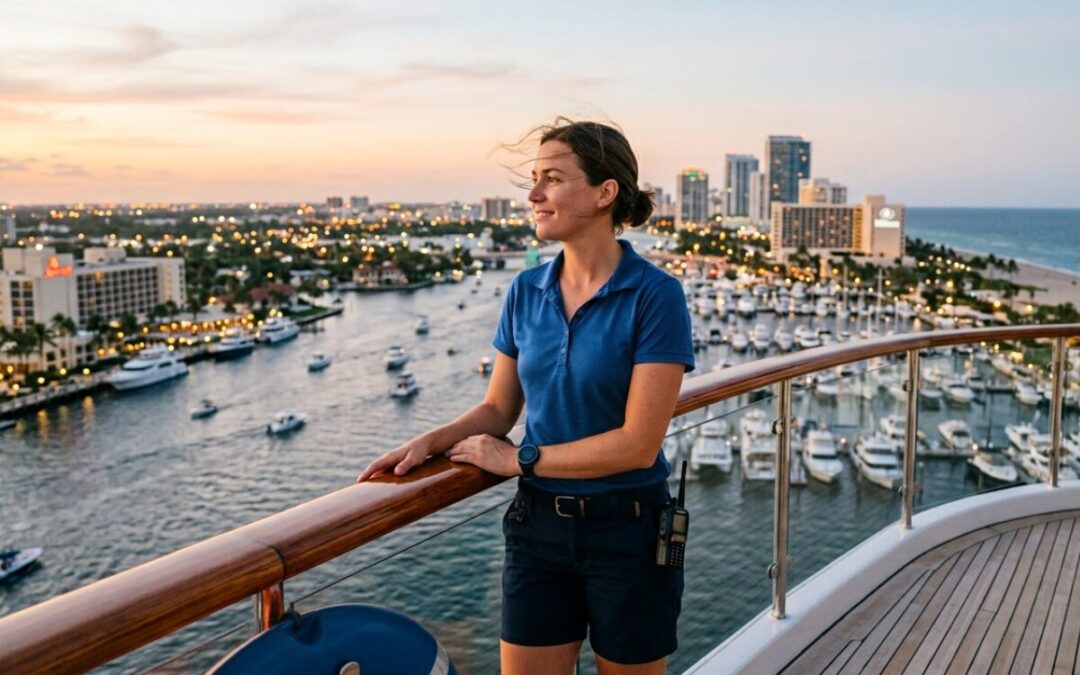
Glittering turquoise waters, exotic Mediterranean anchorages, and high tax-free salaries draw thousands of ambitious job-seekers to the superyacht industry every year.
Glossy social media feeds and reality television shows depict a world where working aboard a luxury vessel feels like a continuous, high-stakes party. However, the gap between televised drama and the daily operational reality onboard is massive.
Believing these exaggerated portrayals can lead prospective crew into applying with unrealistic expectations or failing to prepare properly.
Separating superyacht job myths from operational facts helps green crew make informed choices about their education, invest in legitimate qualifications, and enter the global fleet with the resilience needed to succeed in entry-level roles.
Let us dismantle the five biggest myths surrounding a career at sea so you can launch your career with confidence and clarity.
Myth 1 – Is Working on a Superyacht Just a Paid Vacation?
One of the most persistent yacht crew job myths is that crew members are essentially paid tourists who get to lounge in paradise between light duties. The reality of working aboard a commercial or private luxury vessel is physically demanding and intensely focused on high-end service.
What Is the Real Daily Work Schedule During Charter Season?
During a busy charter or owner trip, a 12-to-16-hour workday is standard. Deckhands and stewardesses wake up before dawn to prepare the exterior decks or lay out breakfast, often remaining active until late into the evening.
Continuous physical stamina is required to maintain spotless vessel conditions, set up water sports gear, detail guest cabins, and run late-night guest transfers. Crew members remain on call for guest requests, safety watchkeeping duties, and rapid-turnaround cleaning procedures. The job demands relentless energy, professional resilience, and an unwavering commitment to luxury standards.
How Does Reality TV Exaggerate the “Party Lifestyle” Onboard?
Shows like Below Deck make the job look like a big party or even one big party, but they edit out the long hours of maintenance, detailing, and safety drills that make up a real crew member’s week.
In reality, captains enforce strict zero-tolerance policies regarding illegal substances, alcohol consumption while on duty or on call, and interpersonal conflict. Professional conduct is required at all times.
A single breach of safety protocol or unprofessional behavior can result in immediate dismissal and a blacklisting across crew agencies, because crew still have safety responsibilities even when guests are ashore, or the vessel is in port.
Myth 2 – Do You Need Rich Connections to Land Your First Yacht Job?
Many aspiring seafarers assume that the superyacht world is an exclusive, closed-door industry where positions are reserved solely for people with wealthy family connections or insider access.
While networking is essential once you complete your training and deploy to international yachting hubs, hiring decisions in reality vs expectations yachting career scenarios are based on merit, readiness, and persistence.
How Do Entry-Level Crew Secure Jobs Through Dock Walking and Agencies?
Entry-level crew regularly secure positions through traditional, time-tested maritime job-hunting strategies once they deploy to active seasonal regions like the Mediterranean or Caribbean. Physical dock walking, visiting major international yachting hubs like Antibes, Palma, or Fort Lauderdale, remains an effective way to secure daywork and land full-time contracts.
Building a strong professional presence involves:
- Registering with reputable, MLC-compliant global maritime crew agencies.
- Actively networking with active captains, chief stews, and bosuns in port hubs overseas.
- Showing up early for daywork opportunities with a tidy, professional appearance and a positive attitude.
Drive, professional presentation, and proactive networking consistently outweigh casual personal connections when a captain needs a reliable deckhand or stewardess.
What Role Do Accredited Training Programs Play in Getting Hired?
Completing an accredited training course and specialized entry-level packages gives candidates immediate credibility over untrained applicants, and most crew need STCW certification before they can work onboard yachts.
STCW stands for Standards of Training, Certification and Watchkeeping, a framework created by an international convention. Captains need crew who understand maritime terminology, safety protocols, and basic seamanship before they set foot on a boat.
Attending an accredited maritime training center provides candidates with essential CV guidance, visa application guidance, offshore banking advice, and direct connections to international recruitment channels before traveling abroad, while meeting core training requirements helps them obtain entry-level roles faster.
Demonstrating that you have invested in certified training proves your dedication to working on a superyacht and sets you apart from casual job-seekers when interviewing for overseas positions.
Myth 3 – Can You Get Hired with Zero Qualifications or Experience?
A dangerous rumor circulating among job-seekers is that you can simply turn up in an overseas marina and get hired as a deckhand or stew with no training or paperwork. In modern maritime operations, this is legally and practically impossible.
What Are the Mandatory STCW Basic Safety Training and Medical Certificates Every Crew Member Needs?
International maritime laws regulated by the International Maritime Organization (IMO) and the Flag State require every commercial crew member to hold specific, non-negotiable certificates before stepping aboard:
- STCW Basic Training: This STCW basic training course includes Personal Survival Techniques, Fire Prevention and Fire Fighting, Elementary First Aid, and Personal Safety and Social Responsibilities.
- Designated Security Duties (DSD): Teaches security awareness and threat response aboard international vessels.
- ENG1 Medical Certificate: A comprehensive medical examination conducted by an approved doctor to confirm you are physically fit to work at sea.
This basic training course is typically delivered over 5 consecutive days, and the Coast Guard treats it as a USCG-approved standard for maritime safety compliance upon completion.
The STCW basic training endorsement on a merchant mariner credential is generally valid for 5 years before STCW revalidation, or a basic training refresher course is required, depending on sea time; in some cases, a basic training refresher may apply.
No reputable captain will allow an uncertified individual aboard a vessel, as doing so violates maritime insurance policies and international port laws, and certain personnel must have these credentials completed before joining the vessel.
Completing an essential basic training requirement is the universal first requirement for every seafarer before traveling to international job markets.
Which Transferable Skills Make Green Crew Stand Out to Captains?
While prior maritime experience is not strictly required for junior roles, captains actively look for candidates with relevant transferable skills. Backgrounds in hospitality, fine dining, land-based housekeeping, carpentry, engineering, bartending, or professional water sports instruction provide a major competitive advantage.
Those coming from technical backgrounds may also build toward engineering career paths, including a future chief engineer role.
Beyond technical abilities, captains prioritize emotional maturity, independence, and a proven work ethic. Living in shared crew quarters requires adaptability, conflict-resolution skills, and the ability to take direction under high pressure.
Myth 4 – Do Superyacht Crew Get to Enjoy the Luxury Guest Amenities?
Because superyachts feature helipads, infinity pools, cinema rooms, and high-end water toys, outsiders often assume crew members spend their off-hours enjoying these amenities alongside the owners and charter guests.
What Are Onboard Yacht Crew Quarters and Living Conditions Really Like?
The contrast between spacious guest areas and crew accommodation is stark. Guest living areas feature luxury suites, private salons, and unrestricted ocean views.
In contrast, crew quarters are built strictly for space efficiency, featuring compact shared cabins with bunk beds, shared bathrooms, and limited storage space for personal belongings, and some crew rooms can be less than 20ft in size.
Living in close quarters requires significant psychological adjustment. You will share a small space with roommates from different cultural backgrounds for months at a time, making personal hygiene, respect for privacy, and adaptability essential for onboard harmony.
Seasickness can affect anyone, even experienced yacht crew, especially during the adjustment period onboard.
Are Crew Allowed to Use Guest Toys, Jacuzzis, and Lounges?
Guest amenities, including jet skis, seabobs, hot tubs, tenders, and luxury lounges, are strictly reserved for paying charter guests or vessel owners. Crew encounters with these luxury items are almost entirely operational:
- Carrying heavy water toys out of the lazarette and setting them up in the water.
- Fueling, operating, and supervising guest usage for safety compliance.
- Thoroughly washing, detailing, and storing gear away at the end of the day.
Crew members are only permitted to use water sports equipment or guest areas during designated crew training days or with explicit, rare permission from the captain when no guests are aboard.
Myth 5 – Is a Superyacht Job Just a Short-Term Gap Year Option?
While many young people join the yachting industry for a year or two to travel and save money, viewing superyachting solely as a temporary gap-year gig overlooks one of the most lucrative and structured long-term career paths in the maritime world.
What Are the Structured Professional Pathways from Entry-Level to Command?
The superyacht industry offers clear, highly regulated career progression routes for both deck and interior departments. With verified sea service, ongoing study, and progressive exam completions, your career can move steadily upward:
- Deck Pathway: Junior Deckhand to Lead Deckhand to Bosun to Officer of the Watch (OOW) to Chief Mate to Master 3000 GT (Captain), with related progression into senior technical roles for engineering personnel, including chief engineer, where relevant.
- Interior Pathway: Junior Stew to Second Stew to Chief Stewardess to Purser.
Logging active sea time and earning higher-level MCA tickets transforms an entry-level position into a lifelong, highly respected profession with expanding global opportunities. Reviewing structured superyacht crew training courses can help you plan certification, career progression, and completion of the required advancement steps from day one.
How Do High Earning Potential and Zero Living Expenses Support Long-Term Financial Goals?
A major advantage of a career at sea is the financial structure. Junior Deckhands and Stews typically earn an average base salary of €2,500 to €3,500 per month while having zero rent, grocery, or utility expenses.
Mid-level roles like Bosuns or Chief Stews earn between €4,500 and €7,000 per month with added charter tips, while Captains holding Master 3000 GT certification command €8,000 to €18,000+ per month with significant tax advantages.
Because food, accommodation, uniforms, medical insurance, and toilet articles are provided by the vessel, crew members have virtually zero living expenses while onboard.
Combined with potential charter tips and favorable tax structures for international seafarers, disciplined crew members can save a significant portion of their income to buy property, invest in stocks, or launch their own land-based businesses back home.
How Can Professional Maritime Training Help You Succeed in the Yachting Industry?
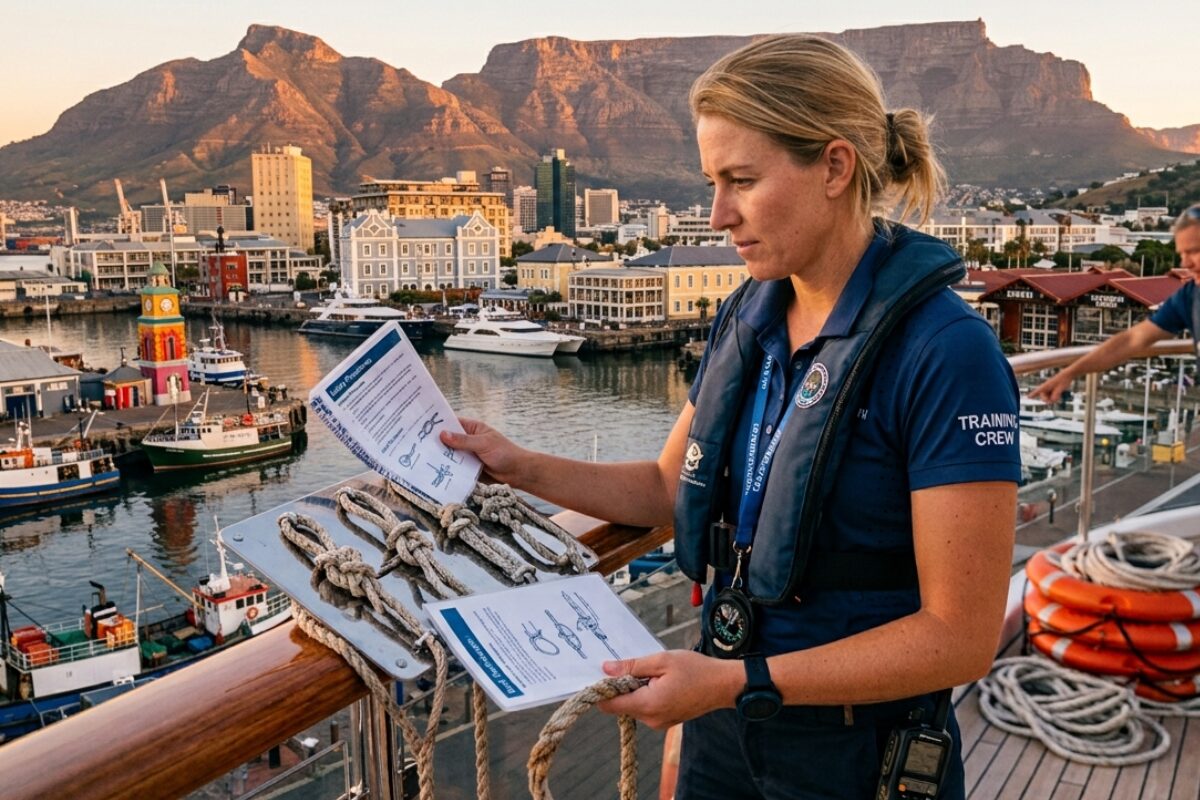
Entering the maritime industry requires more than enthusiasm; it demands official compliance, practical competence, and an understanding of onboard protocols. Investing in accredited, professional training before heading overseas to look for work is the single best way to demystify the industry and fast-track your hiring potential.
Why Should You Choose Accredited Training Packages Over Unregulated Courses?
Not all training programs or students’ options are created equal, so it is critical to select an accredited academy whose courses are recognized by international bodies like the Maritime and Coastguard Agency (MCA), RYA, or SAMSA.
Compliance with the STCW Code matters because approved courses must meet the training certification and watchkeeping framework and the relevant STCW Code section requirements.
Unregulated courses can result in certificates that flag state inspectors reject, forcing you to retake your training and spend extra money before you can get hired overseas.
STCW Basic Training combines classroom instruction with a practical portion, including basic firefighting, basic fire fighting, and response to emergencies onboard.
Opting for an all-inclusive superyacht deckhand training package ensures you gain legally compliant safety tickets alongside practical skills in ropework, line handling, tender driving, and washdown techniques.
Understanding the initial investment is straightforward when evaluating options.
When looking into an accredited STCW course price, candidates find that enrolling in bundled packages provides superior value compared to booking modules individually, provided the course is completed through an approved provider; some online STCW options are available for crowd-management modules, but core safety elements still require approved delivery.
Aspiring crew members frequently flock to Cape Town to complete their qualifications because comparing the STCW course price Cape Town rates reveals world-class, internationally accredited courses at a fraction of European academy costs.
Completing your STCW course Cape Town training allows you to earn internationally recognized credentials affordably before flying overseas to land your first contract.
Investing in structured preparation at a premier training destination builds your confidence, establishes your industry credibility, and equips you with entry-level yacht crew qualifications that captains trust worldwide.
Frequently Asked Questions
What are the biggest superyacht job myths new candidates believe?
The most common myths are that yachting is a non-stop holiday, that you need wealthy connections or zero qualifications to get hired, and that crew live in luxury quarters like guests.
Do I need prior maritime experience to get a job on a superyacht?
You do not need previous sea experience for entry-level roles, but you must hold mandatory safety tickets to work on board, with STCW certification as the standard entry requirement alongside ENG1, and possess relevant transferable skills like hospitality or trades.
Is working on a superyacht really like the TV show Below Deck?
No. Reality shows amplify drama and nightlife for television. Real yachting demands strict professionalism, long working hours, high discretion, and zero tolerance for onboard conflict.
Can superyacht crew use guest amenities like jet skis and hot tubs?
Generally, no. Guest amenities are reserved exclusively for paying guests or vessel owners. Crew handle, maintain, and clean these items rather than use them for leisure.
Do I need to be a certain age or look for a specific way to work on a yacht?
No. While physical fitness and neat personal grooming are necessary for safety and luxury service standards, hiring decisions are based on qualifications, work ethic, attitude, and reliability.
How much money can you save while working on a superyacht?
Because accommodation, food, medical insurance, and uniforms are covered by the vessel, crew members can save a significant portion of their salary, making it highly lucrative.
Conclusion
Understanding the reality behind common superyacht job myths is the first step toward building a successful career at sea.
While the work is demanding and the hours are long, the financial rewards, professional growth, and international travel make yachting an extraordinary career choice for those who approach it with the right mindset and complete proper training before traveling abroad.
Ready to separate myth from reality and begin your journey? Contact Certified Training’s yachting career advisors today to discuss course dates, package details, and how you can take your first step toward an exciting global career on the water.